Africa is generating valuable information every day. Mobile money transactions, digital purchases, business payments and online services are creating records that can reveal how people spend, trade, borrow and build businesses. As artificial intelligence increases the commercial value of this information, a bigger question is emerging: who controls the data, who gets to use it, and who benefits from the value it creates?
A report released in November 2026 by the Science for Africa Foundation, the African Population and Health Research Center and GSMA puts this challenge into perspective. It warns that African institutions risk losing control of their knowledge and data systems without sustained investment in infrastructure, governance and local expertise. The report estimates that Africa contributes approximately 2.8 percent of global scientific knowledge while holding less than one percent of global computing capacity. The gap is not simply technological. It affects the continent's ability to develop, manage and benefit from its own digital resources.
The African Development Bank has raised a related concern: collecting more data does not automatically produce economic value. Fragmented systems, limited data sharing, skills shortages and weak institutional coordination can prevent useful information from translating into better decisions, stronger services and business opportunities. Effective data governance therefore has to move beyond compliance. It must establish who is responsible for information, how it can be accessed and what safeguards protect the people and organisations behind it.
Kenya is also working to strengthen its position. In February 2026, the Ministry of Information, Communications and the Digital Economy reported progress on a proposed National Data Governance Policy. Its priorities include secure data sharing, standardisation, transparency and data sovereignty, alongside safeguards for citizens' rights. These are important foundations for a digital economy in which businesses can exchange information responsibly without weakening public trust.
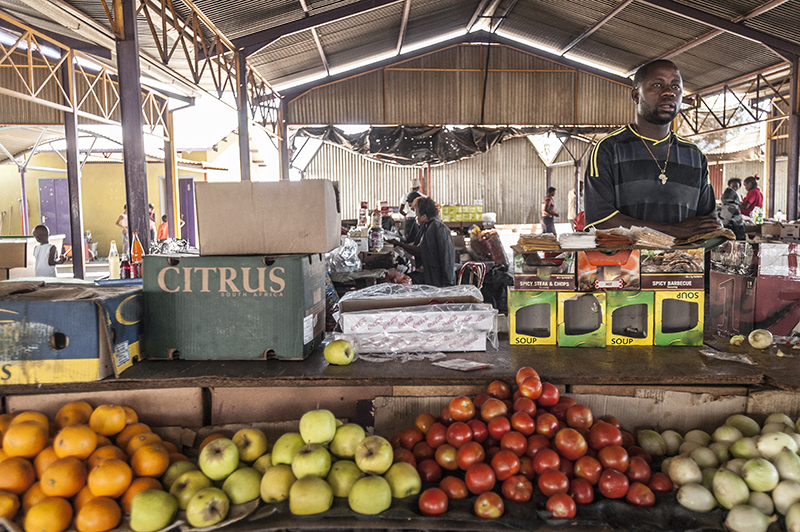
The financial sector offers a practical example of why these matters. A small trader may have years of mobile money transactions and regular supplier payments but little formal borrowing history. Reliable financial records could help lenders understand business activity and assess applications more effectively. Poor-quality information, however, can produce misleading assessments, while careless sharing can expose customers to privacy risks. The opportunity is not to collect everything possible; it is to use relevant information responsibly, with appropriate consent, security and accountability.
This is where InNova Global Fund has a relevant role in the microlending ecosystem. InNova connects participant capital with Kenyan lending partners that issue microloans to individuals and microenterprises. Its administrative infrastructure supports participant onboarding and documentation, tracks funding and portfolio performance, and coordinates the reporting of lending activity by partner platforms. It does not issue the loans itself. Its work illustrates why dependable information and reporting matter when capital moves across borders into local lending activity.
For investors and financial institutions, confidence depends on more than the amount of capital available. They also need credible information about how funds are deployed, how portfolios perform and where risks arise. For borrowers, the same financial ecosystem must respect privacy and treat their information responsibly.
Africa's data opportunity will not be measured by how much information the continent collects, or how many digital systems it launches. It will be measured by whether African institutions and businesses can govern that information, turn it into useful knowledge and retain a fair share of the value it creates. That is as much an investment challenge as it is a technology one.
References
• Science for Africa Foundation – Africa to Secure Ownership of Its Knowledge Systems and Data as AI Accelerates Demand, 16 November 2026
• African Development Bank – Who Benefits from Africa's Data? Turning Data Governance into Value, Skills, and Growth, 2026
• Kenya Ministry of Information, Communications and the Digital Economy – Government Moves to Strengthen Kenya's Data Governance Framework, 6 February 2026
• InNova Global Fund – About InNova
• InNova Global Fund – How InNova Works