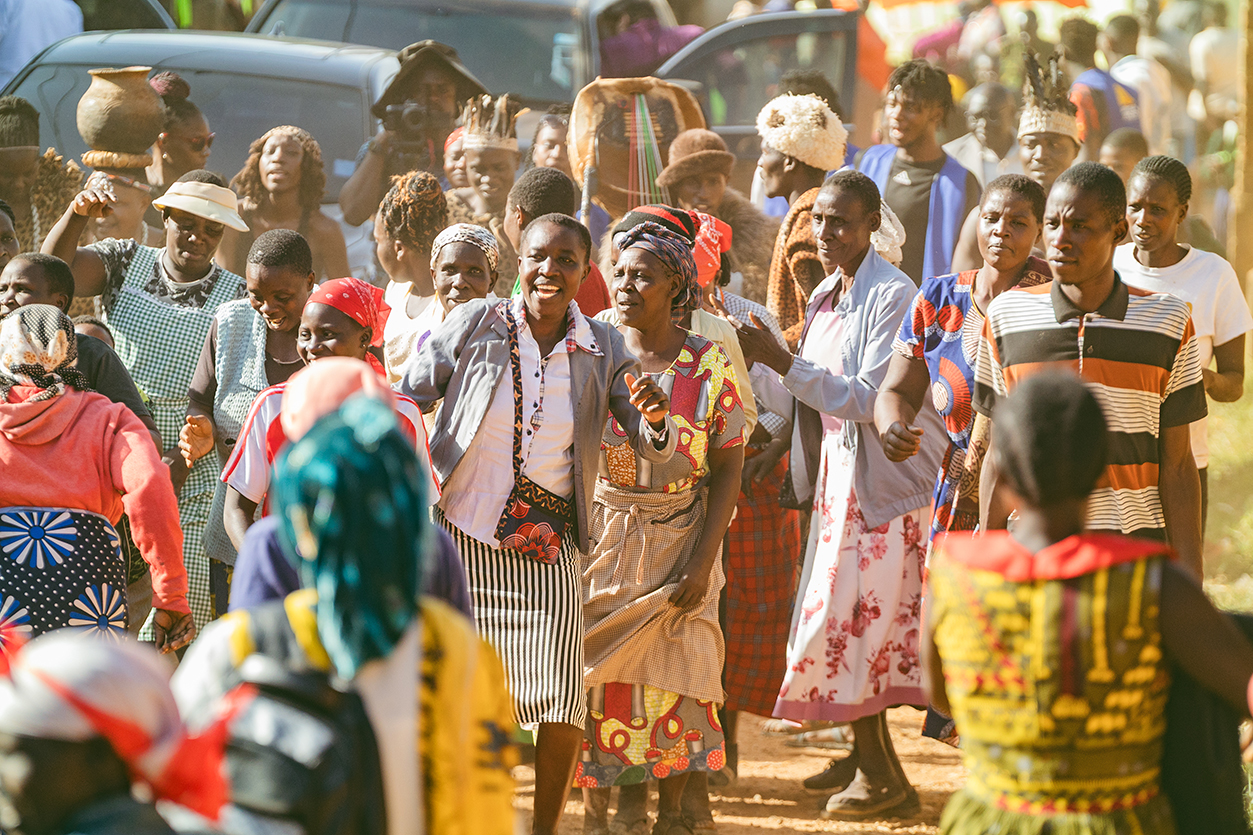
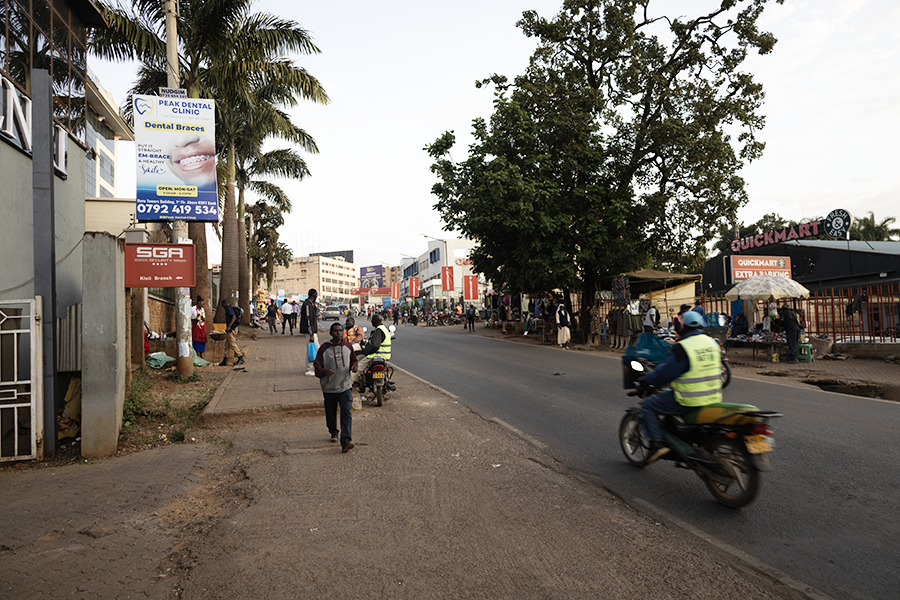
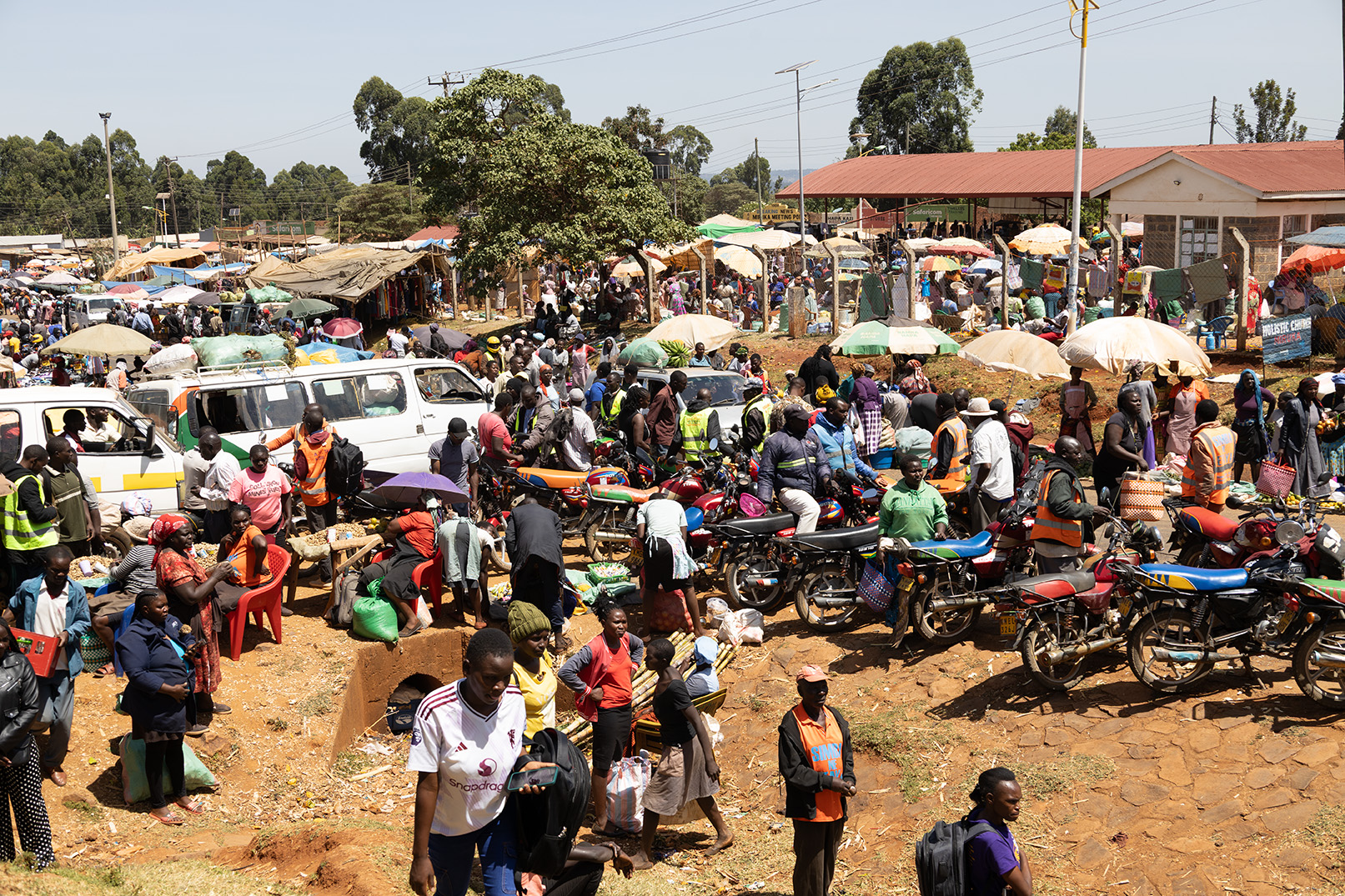
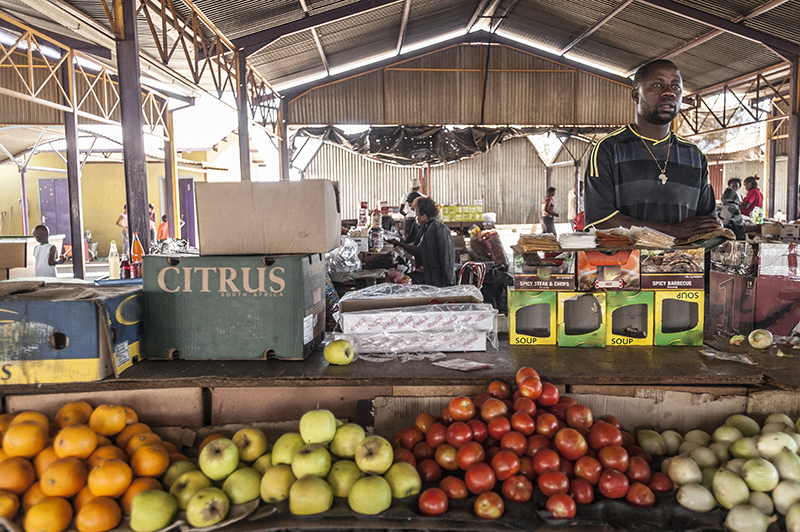
Walk through almost any African town and the most important business story may not be the one making headlines. It might be the woman adding another shelf to her shop, the wholesaler buying a second delivery motorcycle, the small manufacturer purchasing equipment, or the agricultural trader taking on more stock because demand has finally grown. None of these businesses is likely to announce a multimillion-dollar funding round. Yet together, they are part of the economic machinery that keeps communities moving.
That is why Africa’s investment story deserves a second look, particularly beyond the companies and deals attracting the most attention.
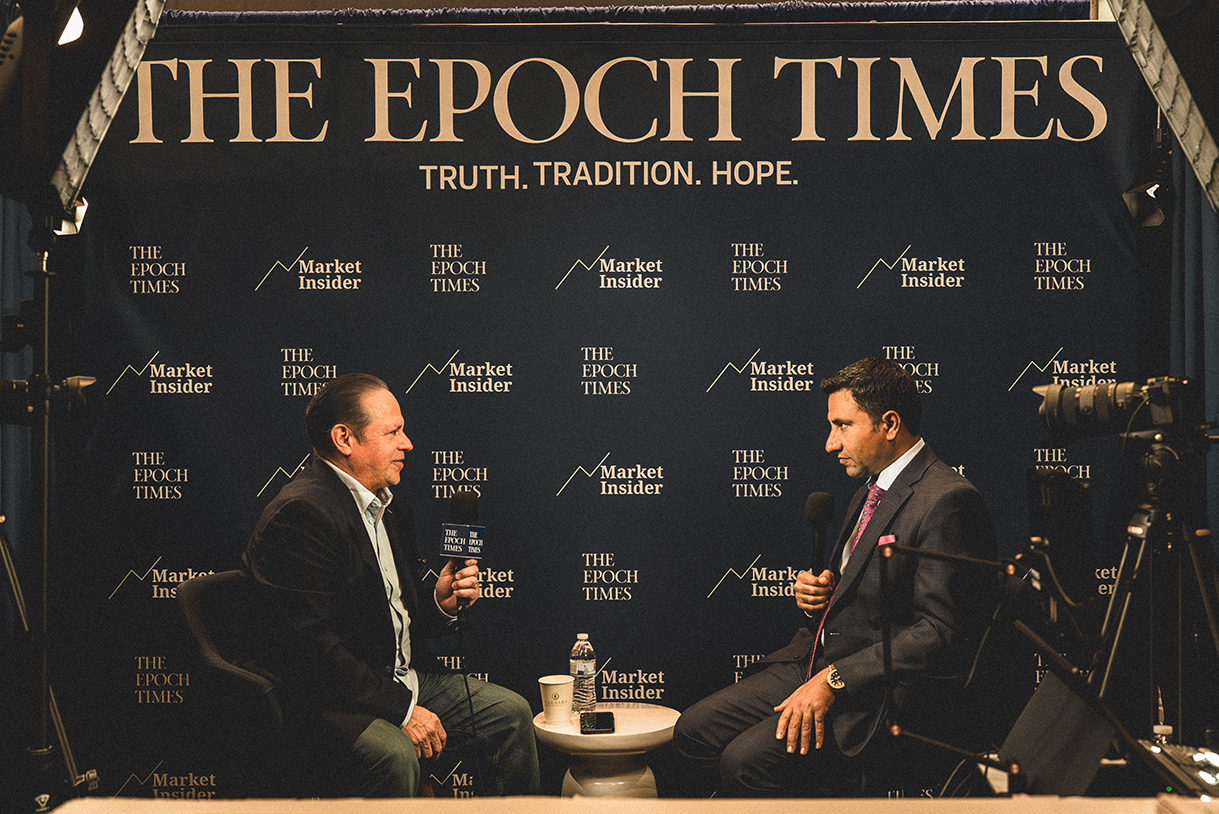
The continent’s technology sector continues to attract attention, and rightly so. African startups raised about $1.44 billion in the first half of 2026, but that capital was spread across just 146 disclosed deals, compared with 252 in the first half of 2025. In other words, roughly similar amounts of capital are reaching a much smaller pool of companies.
Those investments matter because Africa needs companies capable of attracting serious capital, building technology and expanding across borders. At the same time, another economic story is happening far below the headlines.
Millions of small businesses make decisions every day about whether to buy more inventory, employ another person, purchase equipment or enter a new market. Their individual financing needs may be modest. Their collective economic effect is anything but.
Consider what happens when a small business gets enough working capital to grow. A shop buys from a wholesaler, the wholesaler orders more from a distributor, and the distributor may need another driver. The manufacturer increases production, while the farmer gains a larger buyer. One financing decision can therefore travel through an entire local economy.
This is why access to capital for smaller enterprises should not be viewed only as a financial-inclusion issue. It is also a question of economic productivity.
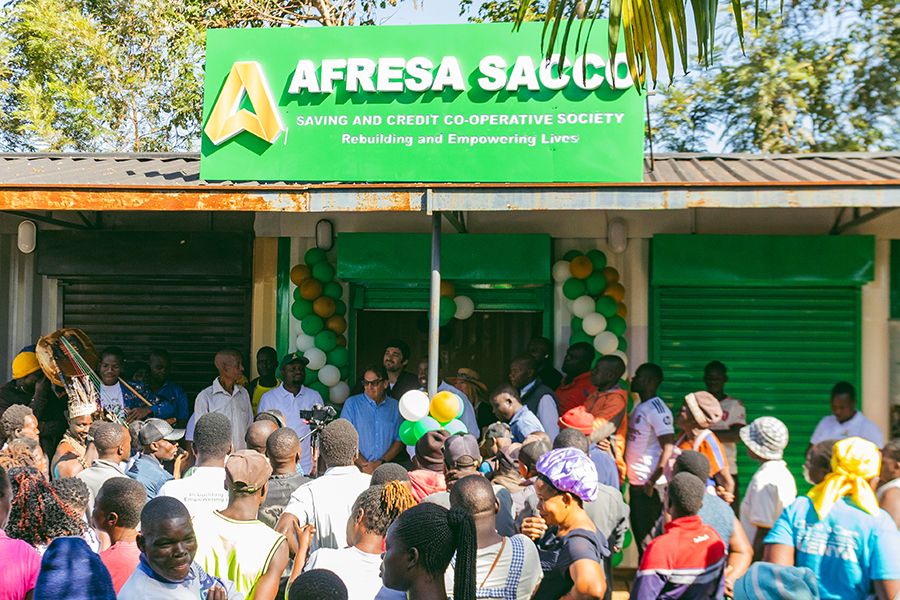
InNova Global Fund provides one example of the infrastructure developing around this opportunity. Its model connects international microlender capital with Kenyan partner platforms, which issue microloans to microenterprises and manage the local lending process. InNova provides the administrative infrastructure through which that capital reaches the Kenyan lending ecosystem.
The significance is bigger than any individual loan. It is about whether financial systems can connect capital with the businesses already doing the work of producing, trading, distributing and employing across African communities.
There is also an important lesson for investors. The most visible companies are not necessarily the only companies creating economic value. A business does not need to be venture-backed, technology-driven or preparing for international expansion to be economically important.
Sometimes growth begins with something much smaller: more stock on a shelf, one new employee, a better machine, a larger order or a second delivery route.
Africa’s economic transformation will certainly include major infrastructure projects, technology companies and large investment deals, but it will also be built quietly, one ordinary business decision at a time.
The businesses making those decisions may never become famous. They may, however, become the foundation of something much bigger.
References:
The Big Deal / Max Cuvellier Giacomelli — H1 2026: African funding analysis covering the distribution and concentration of capital across the continent. Max Cuvellier Giacomelli's LinkedIn commentary also provides useful context on the number of ventures receiving $100,000+ and the changing shape of African startup funding. https://www.linkedin.com/posts/mcuvellier_how-did-start-ups-in-africa-do-in-the-first-activity-7482700023873474560-1BLM
Lucidity Insights — H1 2026 African Startup Funding: Used for the $1.44 billion funding figure and the 146 disclosed deals compared with 252 in H1 2025. The figures are independently echoed across recent LinkedIn commentary on the H1 2026 funding environment. https://www.linkedin.com/pulse/africa-raised-same-money-h1-2026-did-2025-106-fewer-deals-gondwe-as6cf
InNova Global Fund — How InNova Works: Used to establish InNova's current model of connecting microlender capital with Kenyan partner platforms and the role of those platforms in issuing microloans to microenterprises. https://www.innovagf.com/how-innova-works
LinkedIn — H1 2026 African startup funding commentary: Recent posts discussing the H1 2026 funding figures, including the $1.44 billion total, 146 disclosed deals and the decline from 252 deals in H1 2025. https://www.linkedin.com/posts/platini-womela-494590220_african-startup-funding-has-slowed-sharply-activity-7494520160003846144-sy6o
.png)

.png)