By: Rendi Nyangua
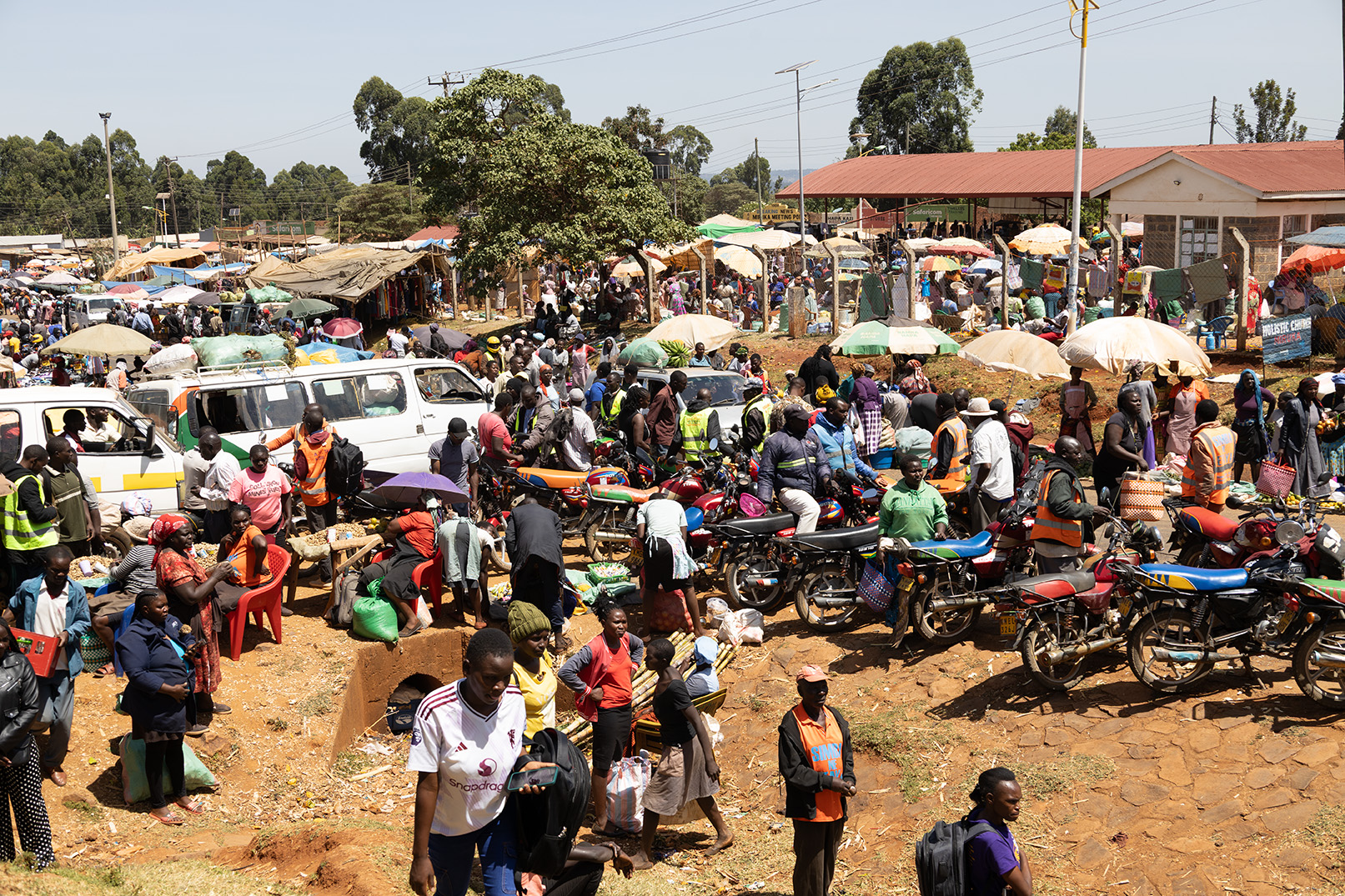
Across Kenya’s financial services landscape, proximity is re-emerging as a critical determinant of inclusion. While digital finance has transformed access in urban and peri-urban areas, large segments of rural Kenya remain under-served due to limited physical access to regulated savings and credit institutions. Against this backdrop, Afresa Sacco’s recent expansion of satellite branches into remote counties represents a deliberate and strategically significant intervention in Kenya’s rural finance ecosystem.
Satellite branches differ from traditional brick-and-mortar outlets in both scale and intent. Designed to operate with lean staffing and focused product offerings, they bring core Sacco services savings mobilization, credit appraisal, and member engagement closer to communities that have historically relied on informal finance. From an investor perspective, this model reflects a pragmatic response to the structural gap between digital reach and trust based financial relationships in rural markets.
Evidence from Kenya’s financial access data underscores the relevance of proximity finance. Central Bank of Kenya (CBK) surveys consistently show that physical access points remain a strong predictor of formal financial participation outside major urban centers. While mobile money penetration is high nationally, the uptake of regulated credit and long-term savings products declines sharply with distance from formal financial institutions. Satellite branches directly address this friction by lowering both geographic and behavioral barriers to entry.
Early indicators suggest that closer access alters financial behavior in meaningful ways. Studies on community based financial institutions show that when services are locally available, savings frequency increases and loan utilization shifts from consumption smoothing toward productive activity. For Afresa Sacco, satellite branches embedded within farming and trading communities enable more accurate credit assessment, grounded in local knowledge of income cycles, crop patterns, and business conditions. This proximity enhances credit discipline and strengthens member accountability factors closely correlated with portfolio quality in cooperative finance models.
From a macro perspective, this expansion aligns with broader national inclusion objectives. Kenya National Bureau of Statistics (KNBS) county economic reports highlight persistent disparities in access to credit across rural counties, particularly in regions dominated by agriculture and informal enterprise. By situating financial services closer to these economic frontlines, satellite branches support working capital flows for MSMEs, improve liquidity management for farmers, and facilitate formal savings in areas where cash-based systems still dominate.
For investors, the relevance of Afresa Sacco’s strategy lies not only in outreach but in sustainability. Financial inclusion initiatives that rely exclusively on digital channels often struggle with customer retention and loan performance in low-income rural contexts. Hybrid models combining physical presence with disciplined governance tend to demonstrate stronger long-term outcomes. Discussions within the Fintech Association of Kenya have increasingly acknowledged the role of “last-mile physical infrastructure” as a complement, rather than a competitor, to digital finance.
Crucially, satellite expansion also strengthens deposit mobilization, a foundational element of Sacco resilience. Localized branches encourage habitual saving, deepen member engagement, and stabilize funding structures. Over time, this can translate into lower cost of funds and improved capacity to lend through economic cycles an outcome of particular interest to long-term capital providers.
In summary, Afresa Sacco’s satellite expansion reflects a strategic bet on proximity as a driver of inclusion, performance, and resilience. By bringing finance closer to underserved communities, the Sacco is positioning itself within a segment of the market where demand is structural, competition remains limited, and social impact aligns with prudent financial fundamentals. For investors assessing Kenya’s cooperative finance sector, this model offers a compelling case study in how physical access, when deployed selectively and strategically, can unlock durable rural value.
References:
1. Central Bank of Kenya (CBK) – FinAccess Surveys and Financial Access Penetration Data https://www.centralbank.go.ke/financial-access-surveys/
2. Central Bank of Kenya – Annual Bank Supervision and Microfinance Sector Reports https://www.centralbank.go.ke/bank-supervision-reports/
3. Kenya National Bureau of Statistics (KNBS) – County Statistical Abstracts and Economic Reports https://www.knbs.or.ke/?page_id=3142
4. Fintech Association of Kenya – Branchless Banking and Financial Inclusion Discussions https://fintechassociation.or.ke


.png)

.png)