Beyond Hypergrowth: Fintech Enters Its Profitability Era
The first question investors used to ask the fintechs was simple: How fast are you growing? How many customers? How many transactions? How many countries?

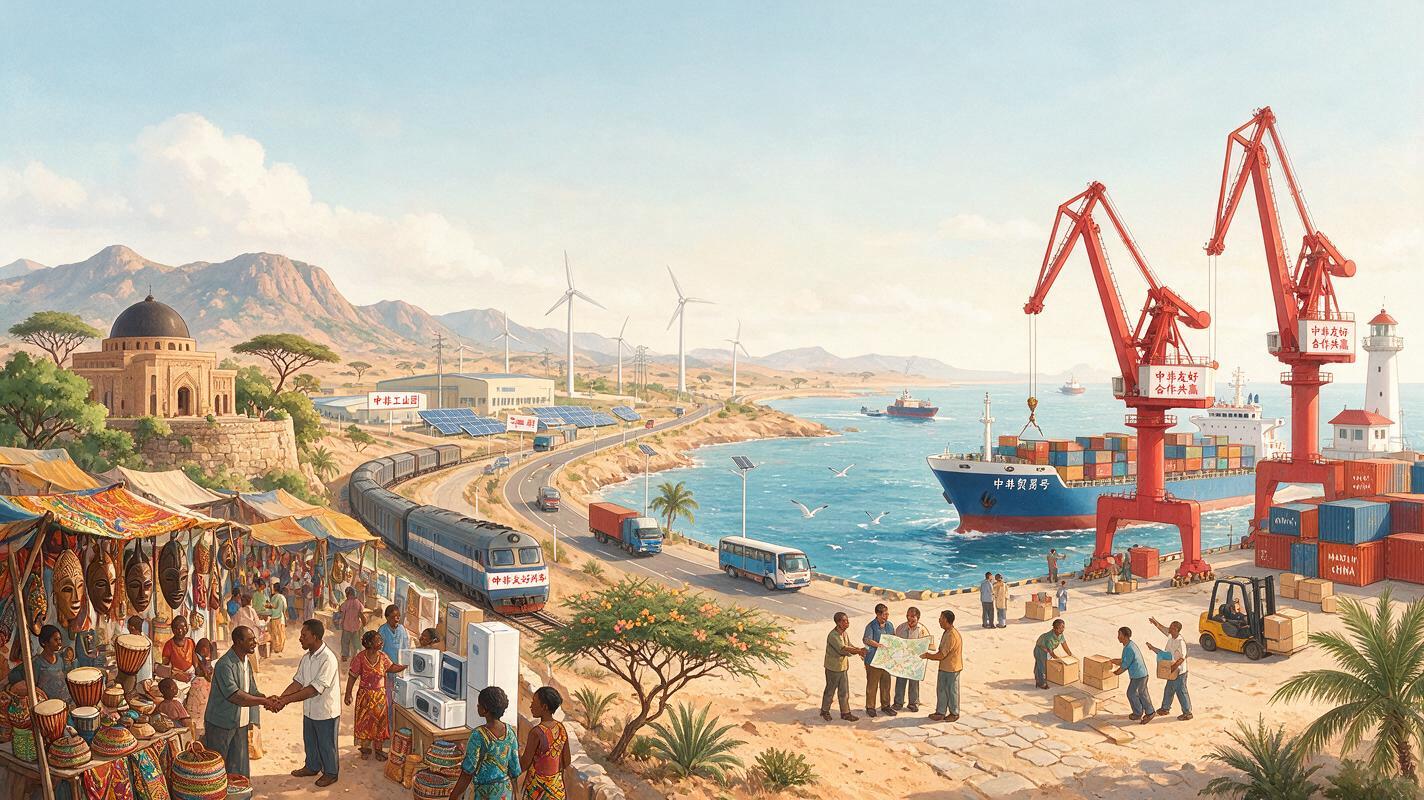
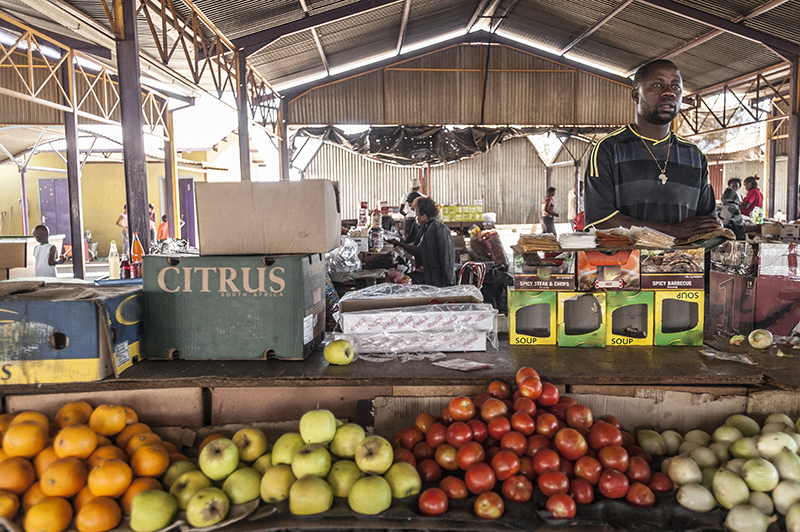
For years, the Africa–China trade story has been told through physical things: containers leaving Chinese ports, machinery arriving in African markets, minerals moving in the opposite direction, and thousands of businesses building their supply chains around Chinese manufacturers. But there is another part of the relationship changing quietly. The money is moving differently.
.png)

.png)


For years, the Africa–China trade story has been told through physical things: containers leaving Chinese ports, machinery arriving in African markets, minerals moving in the opposite direction, and thousands of businesses building their supply chains around Chinese manufacturers. But there is another part of the relationship changing quietly. The money is moving differently.
In July, Standard Bank announced that it had processed more than CNY 8 billion, about US$1.2 billion, through China’s Cross-Border Interbank Payment System (CIPS) since launching the service. The bank has expanded access to Kenya, Ghana, Angola, Lesotho and Tanzania. CIPS allows participating institutions to settle transactions directly in Renminbi, reducing the need to route payments through intermediary currencies.
For businesses, that is more than a technical banking development. A Kenyan company importing machinery from China does not experience global financial architecture as an abstract concept. It experiences it through the cost of payment, foreign-exchange exposure, settlement time and the number of institutions involved before money reaches a supplier.
Those details can affect whether a transaction makes commercial sense. The shift is happening against a backdrop of deepening business ties. Standard Bank’s latest Africa Trade Barometer found that China remains the leading source of inputs for businesses surveyed across 10 African markets, with 67% identifying China as a key source. Asian countries were the preferred trading partners for an average of 35% of respondents, up from 24% in 2024. The financial plumbing therefore matters.
In June, Standard Bank and ICBC were authorised to operate jointly as the Renminbi Clearing Bank of Africa, with the capacity to clear RMB across 19 African countries. The development gives African businesses another route into China-linked payment and financial infrastructure.
What is emerging is not simply a new payment option. It is a gradual re-engineering of the infrastructure beneath trade. That matters for large corporations, but it also matters further down the economic chain. Smaller importers, distributors and retailers ultimately depend on the same financial system to pay suppliers, manage currency risk and keep inventory moving.
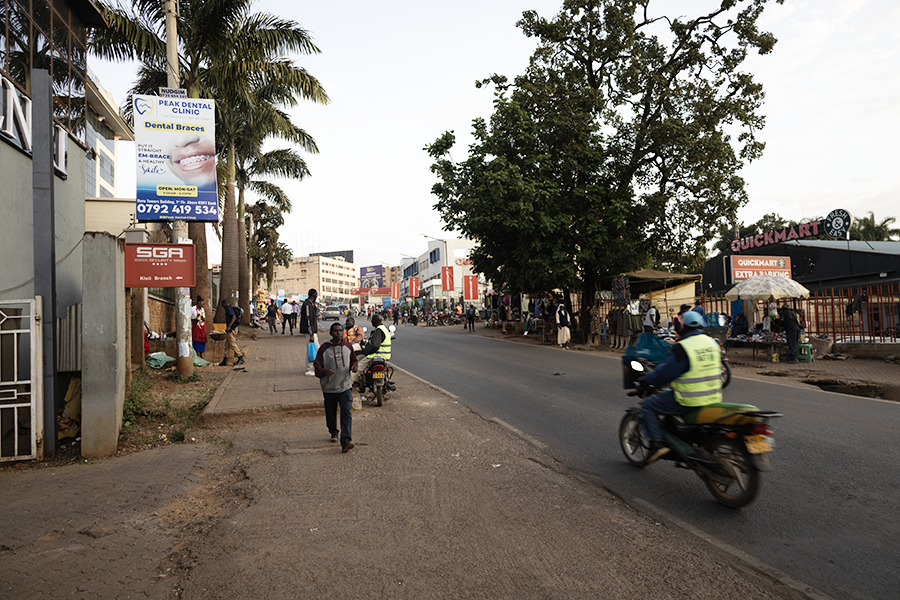
This is where the wider evolution of African financial infrastructure becomes relevant to InNova Global Fund. Its model operates at a very different end of the market, connecting participant capital with Kenyan partner platforms that provide microloans to microenterprises. InNova's role is administrative and infrastructural rather than that of a direct lender.
The common thread is the infrastructure between capital and economic activity.
Africa's trade ambitions will not be realised through trade agreements alone. Businesses need payment systems, credit, foreign-exchange services and financial institutions capable of supporting transactions across borders.
The important story, then, may not be what Africa buys from China or what China buys from Africa. It may be how easily the money can move between the businesses doing the buying and selling. The containers show us the trade. The payment rails increasingly show us where it is going.
References
• Standard Bank — “Standard Bank processes over CNY 8 billion in payments through China’s Cross-Border Interbank System,”27 July 2026 Standard Bank processes over CNY 8 billion in payments through China’s Cross-Border Interbank System | Standard Bank
• Standard Bank — “Standard Bank becomes the first bank on the continent authorized to clear Renminbi transactions,” 26 June 2026. StandardBank becomes the first bank on the continent authorised to clear Renminbitransactions | Standard Bank
• InNova Global Fund About Innova
Unlock Global Finance