By: Rendi Nyangua
Large-scale development finance does not materialize overnight. It is usually the product of extended diplomatic engagement, fiscal restructuring, and careful alignment between public institutions and private capital markets. Kenya’s recent USD 1 billion agreement with the U.S. International Development Finance Corporation (DFC), alongside the announcement that DFC will establish a permanent office in Nairobi from January 2026, reflects precisely this kind of long-term institutional commitment. Rather than a short-term intervention, the move signals a recalibration of how Kenya fits into U.S. development finance strategy across Africa.
At the core of the agreement is a debt-swap mechanism that allows Kenya to refinance a portion of its higher-cost commercial debt under more favorable terms. According to statements from Kenya’s National Treasury, the savings generated through this restructuring will be redirected toward priority sectors, including food security, infrastructure, and productive economic activity. For investors and financial institutions, this matters because debt sustainability is a foundational signal of macroeconomic stability, which underpins confidence across lending markets.
Kenya’s positioning is not accidental. World Bank data shows that Kenya remains one of East Africa’s most diversified economies, with strong participation across agriculture, services, trade, and small enterprise activity. The Central Bank of Kenya (CBK) has also emphasized prudent regulatory oversight in recent years, particularly within cooperative finance and microlending, helping strengthen institutional credibility. Against this backdrop, DFC’s physical presence in Nairobi represents a vote of confidence in Kenya’s governance frameworks and long-term economic management.
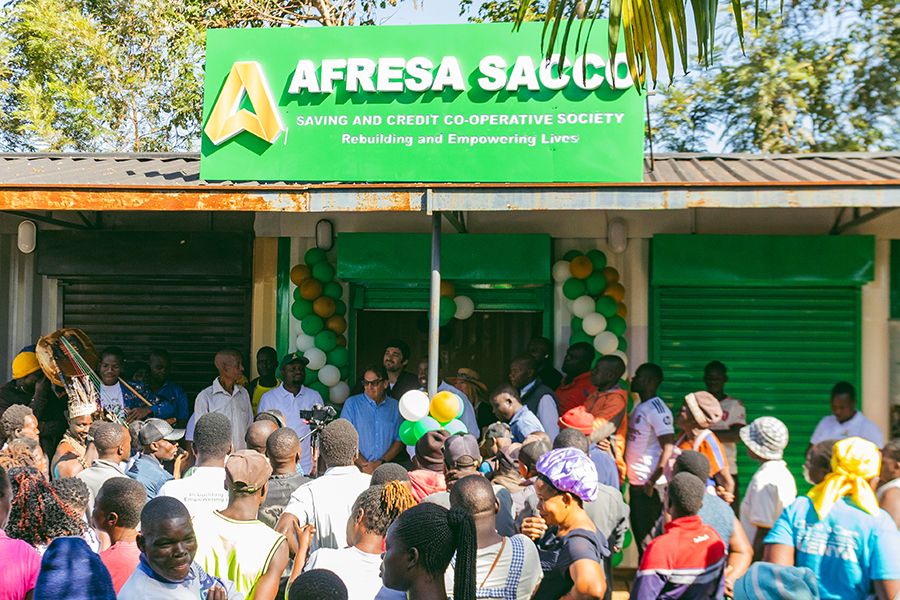
For domestic financial institutions and Saccos such as Afresa Sacco, this evolving capital landscape creates important second-order effects. Large-scale development finance does not directly replace local lenders; instead, it stabilizes the broader system within which they operate. When sovereign risk moderates and infrastructure investment expands, MSMEs experience improved operating conditions, better logistics, and more predictable cash flows. These dynamics directly affect demand for savings products, working capital facilities, and short-cycle credit.
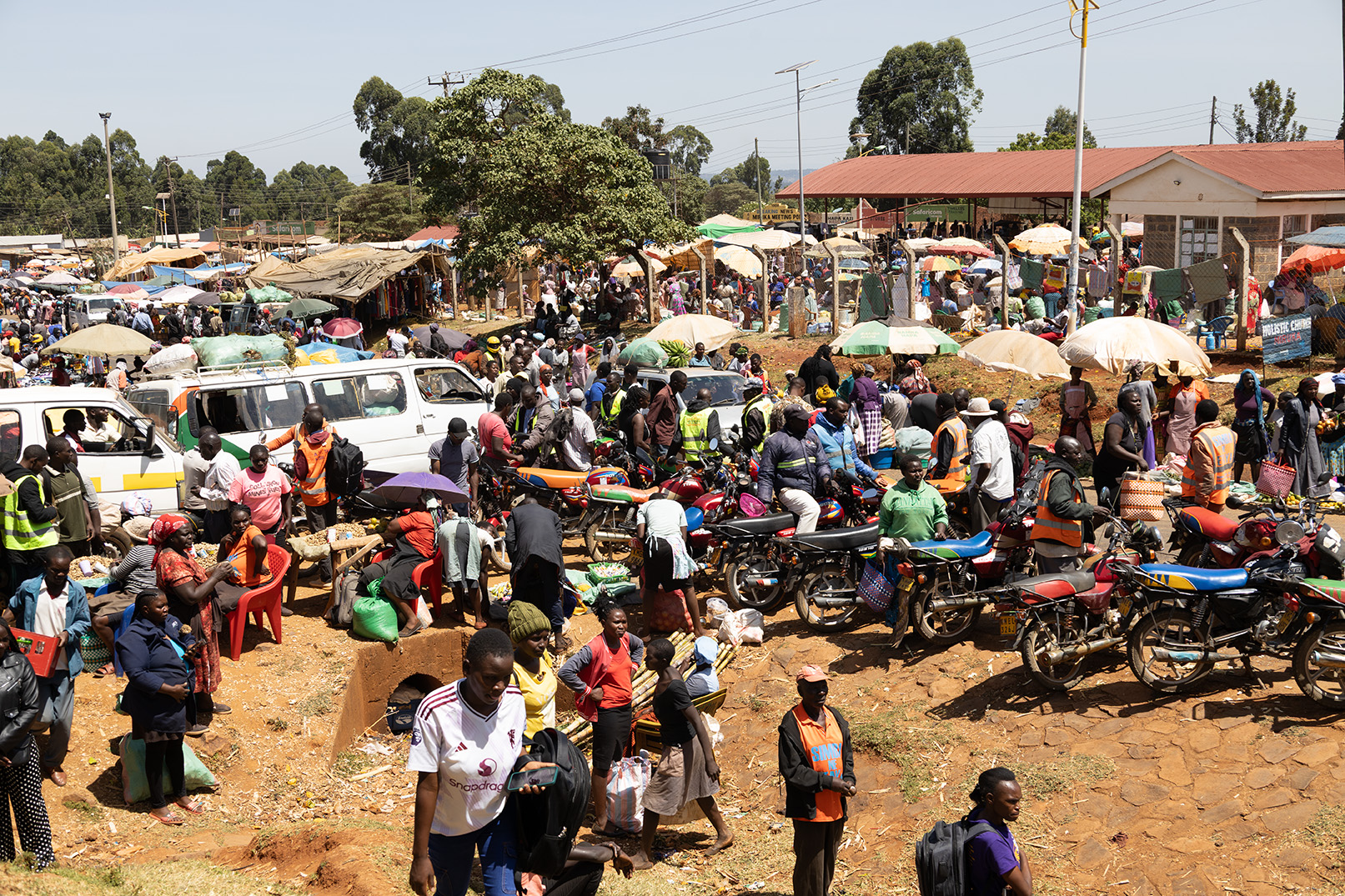
Food security, a central pillar of the DFC agreement, is particularly relevant for cooperative finance. Agriculture continues to employ more than 40 percent of Kenya’s workforce, according to the Kenya National Bureau of Statistics (KNBS). Investments that strengthen agricultural value chains increase the resilience of rural incomes, which in turn strengthens Sacco membership bases and loan performance. Afresa Sacco, operating close to community-level economic activity, stands to benefit from these stabilizing forces rather than compete with them.
Equally important is the signaling effect to international investors. A permanent DFC office lowers informational barriers, improves project coordination, and accelerates capital deployment across East Africa. This institutional anchoring reduces uncertainty, making Kenya a more predictable environment for long-term financial planning. For cooperative lenders and member-based institutions, this stability supports responsible growth rather than speculative expansion.
In sum, the DFC agreement is not merely about debt relief or infrastructure headlines. It reflects Kenya’s integration into a deeper, policy-backed capital ecosystem that rewards regulatory discipline and long-term thinking. For institutions like Afresa Sacco, the opportunity lies in operating within this more stable environment, supporting households and MSMEs as public and private capital increasingly move in alignment.
References:
• National Treasury of Kenya – Press Releases and Official Statements https://www.treasury.go.ke/category/media-centre/press-releases/
• U.S. International Development Finance Corporation (DFC) – Press Releases & Africa Portfolio
https://www.dfc.gov/media/press-releases
https://www.dfc.gov/our-impact/regions/africa
• World Bank – Kenya Economic Update https://www.worldbank.org/en/country/kenya/publication/kenya-economic-update-keu
• Central Bank of Kenya – Banking Sector & SACCO Supervision Reports https://www.centralbank.go.ke/banking-sector-supervision-reports/ https://www.centralbank.go.ke/sacco-supervision-reports/
• Kenya National Bureau of Statistics – Economic Survey https://www.knbs.or.ke/publications/economic-survey/

.png)

.png)