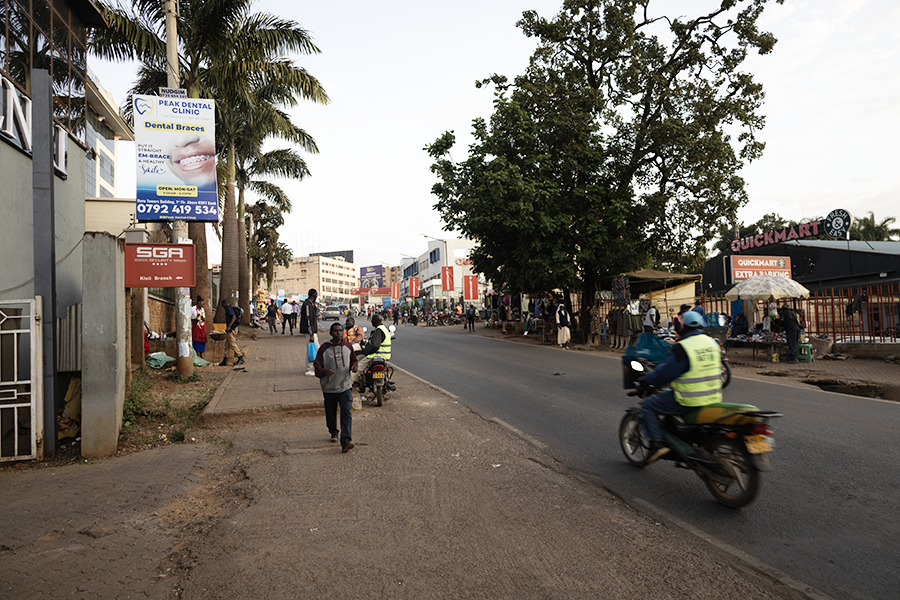
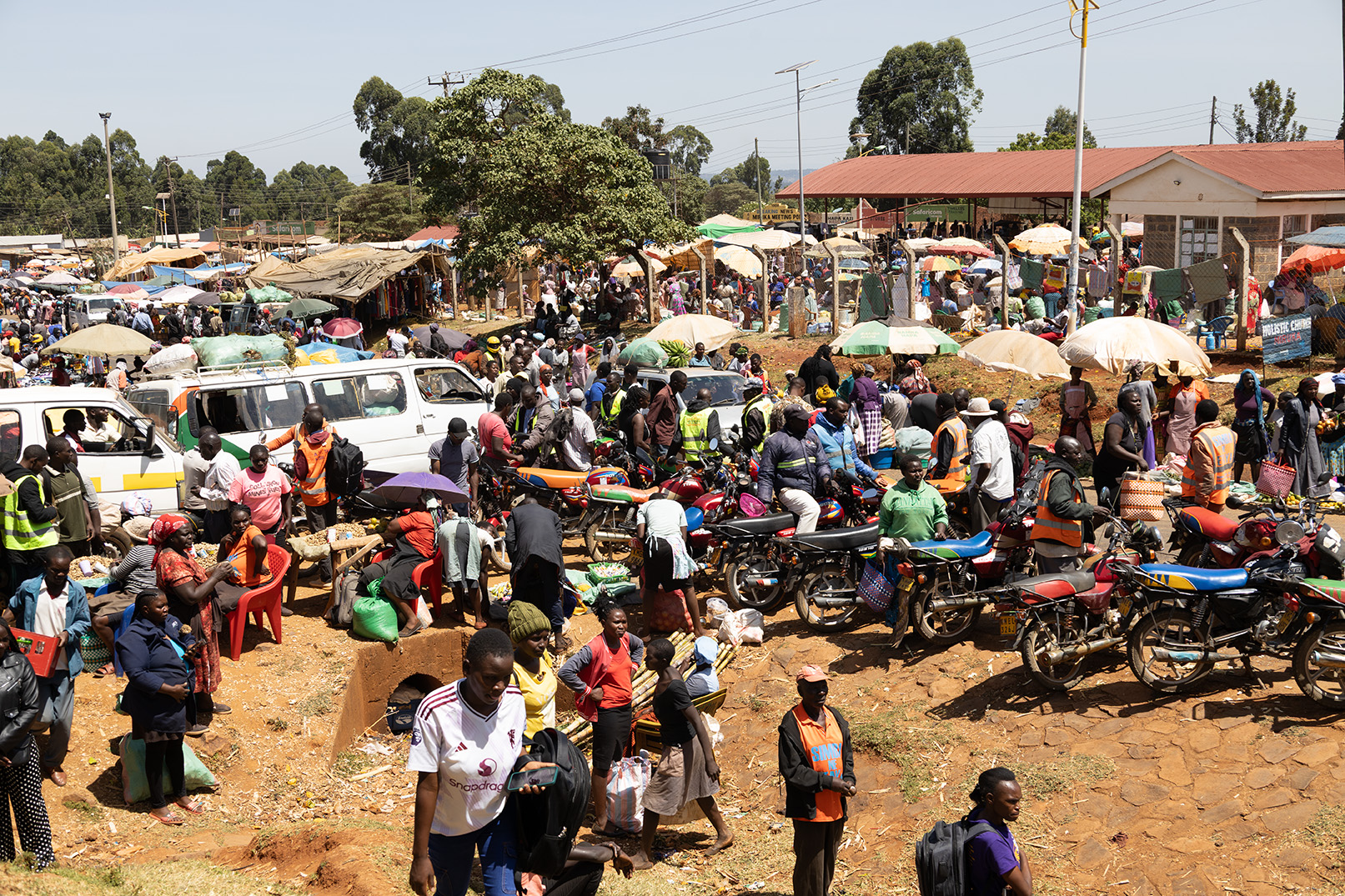
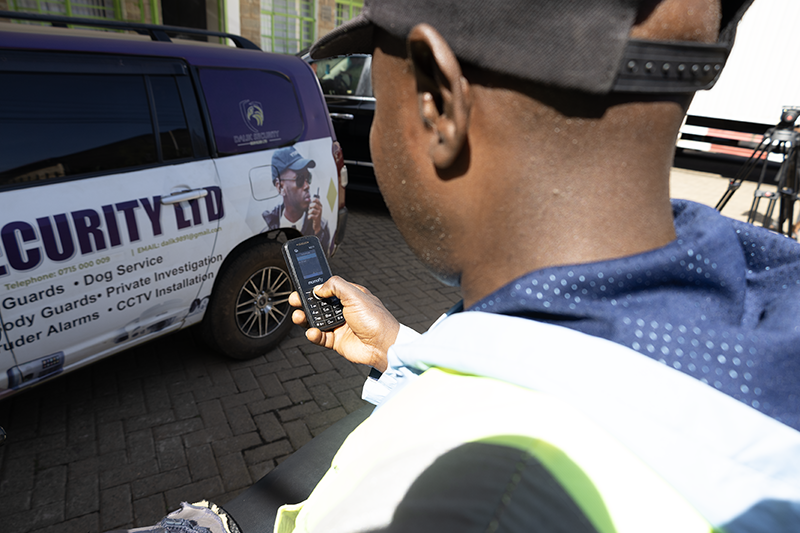
The future of African fintech may ultimately depend less on high-end innovation and more on how effectively financial systems can reach ordinary people using basic technology. Across large parts of the continent, millions of consumers still rely on entry-level smartphones, feature phones, unstable mobile networks, and low-data internet connections. For fintech companies hoping to scale across Africa, designing systems only for premium devices would immediately exclude a massive percentage of potential users. This reality is pushing financial technology firms toward a different model of innovation, one centered around accessibility, adaptability and low-bandwidth functionality.
Unlike many Western markets where digital banking evolved around smartphones and constant internet connectivity, African fintech ecosystems are being built under very different conditions. In rural communities, informal business environments and low-income urban areas consumers often prioritize affordability and reliability over advanced features. As a result, developers are increasingly focusing on lightweight wallets, USSD-enabled banking systems, offline-compatible transaction models and simplified payment infrastructures that can function even with weak network coverage.
This approach is becoming increasingly important because financial exclusion across underserved regions is rarely caused by lack of demand. Many people want access to digital payments, savings systems and online financial services but the surrounding infrastructure does not always support traditional banking applications. Fintech companies are therefore adjusting their products to meet people where they already are rather than expecting consumers to upgrade devices or internet access first.
Afrecash and Afresa operate within the broader movement toward accessible financial participation. Their growing relevance reflects wider industry efforts to build transaction ecosystems that serve users beyond traditional banking institutions and high-end digital environments. By supporting simplified financial access models, these companies help expand digital participation among populations that have historically remained underserved by conventional banking systems.
The investment side of this trend is also becoming more noticeable. More firms are increasingly monitoring scalable fintech infrastructure that focuses on underserved markets rather than only premium urban consumers. Investors understand that the largest long-term opportunity in Africa may come from solving practical accessibility challenges at scale. Financial technology capable of operating efficiently across low-end devices represents not only a social inclusion opportunity but also a significant commercial market.
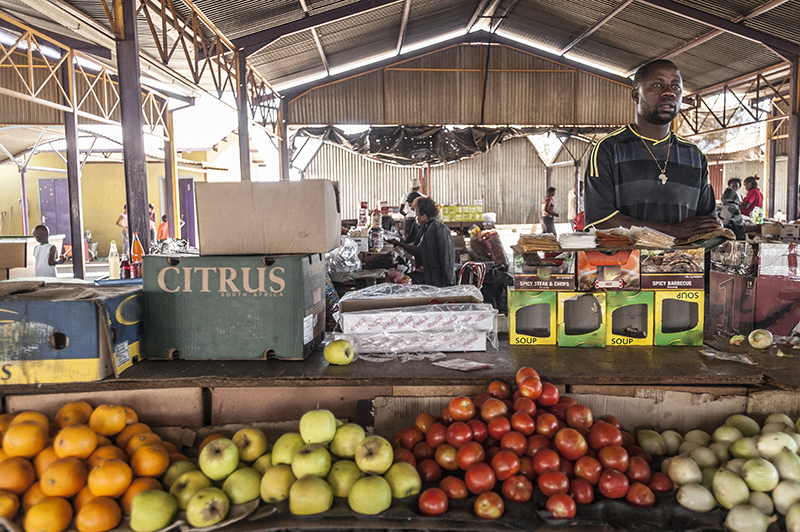
Another factor accelerating this shift is the continued growth of small businesses and informal commerce throughout Africa. Market vendors, transport providers, local retailers and independent workers are increasingly relying on digital transactions to conduct business. However, these users often require systems that consume minimal data, load quickly and function consistently under unpredictable connectivity conditions.
The broader implication is that Africa’s fintech evolution may develop differently from other regions. Instead of prioritizing highly sophisticated banking applications first, many companies are building systems around resilience, simplicity and accessibility. As digital financial participation continues expanding across the continent, fintech solutions designed for low-end devices may become one of the most important drivers of financial inclusion and economic integration in Africa’s next stage of growth.
References
AfricanDevelopment Bank Group. (n.d.). Financial inclusion. https://www.afdb.org/en/topics-and-sectors/initiatives-partnerships/financial-inclusion
BrookingsInstitution. (n.d.). Africa Growth Initiative. https://www.brookings.edu/africa-growth-initiative/
GSMA. (n.d.). Themobile economy: Sub-Saharan Africa. https://www.gsma.com/mobileeconomy/sub-saharan-africa/
McKinsey &Company. (n.d.). Mobile money in Sub-Saharan Africa. https://www.mckinsey.com/industries/financial-services/our-insights/mobile-money-in-sub-saharan-africa
World Bank.(n.d.). Financial inclusion. https://www.worldbank.org/en/topic/financialinclusion

.png)

.png)