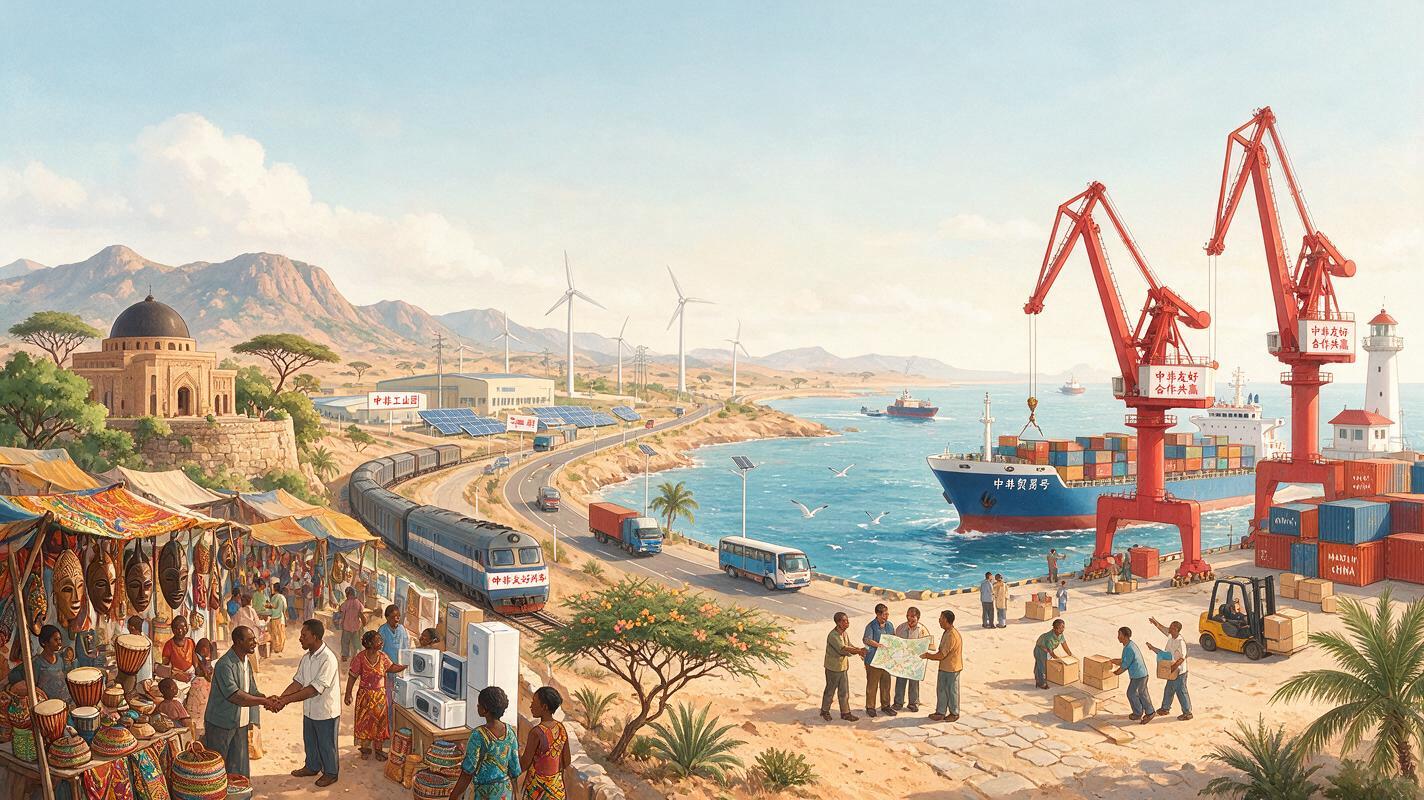
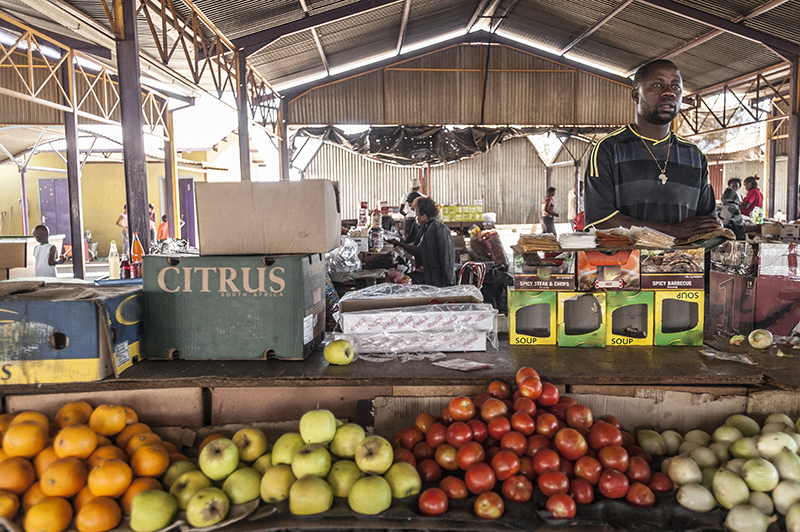
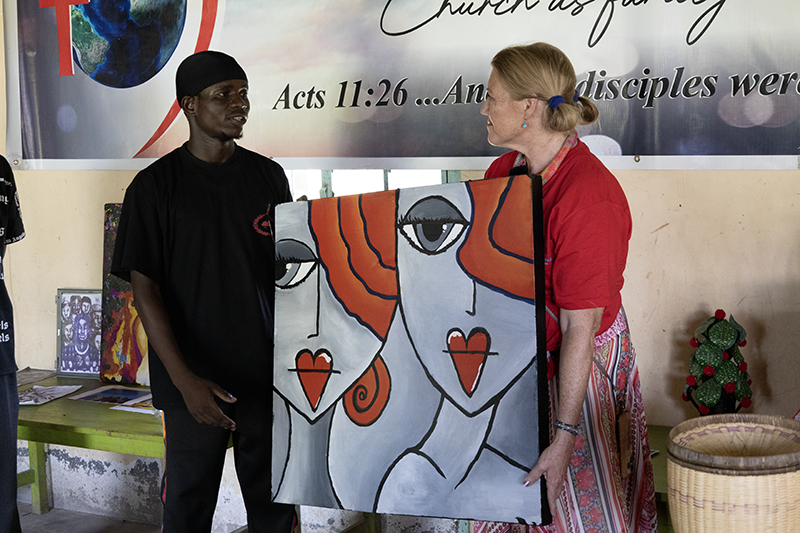
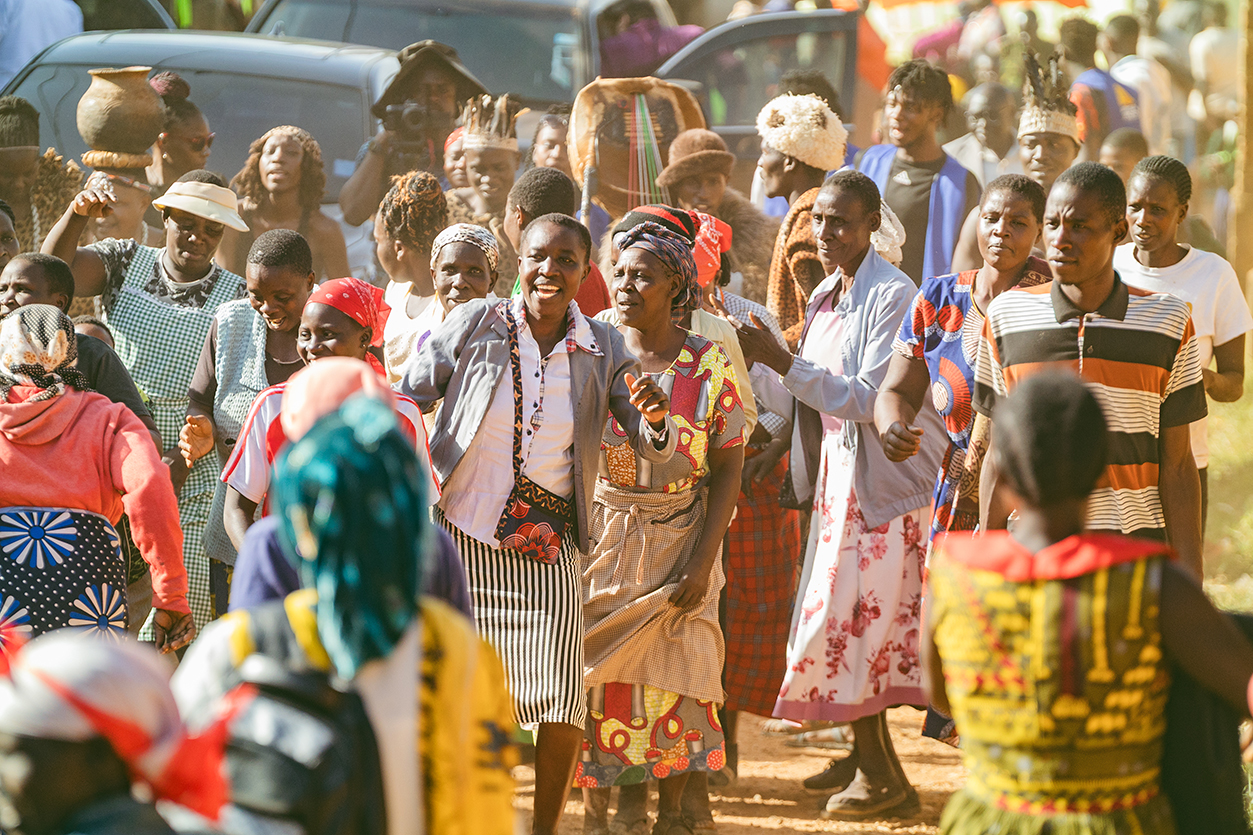
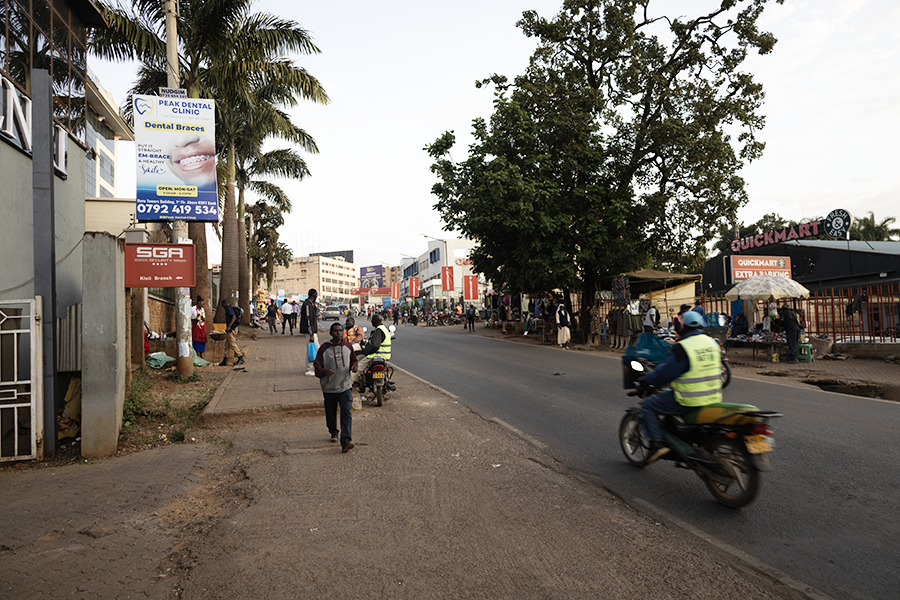
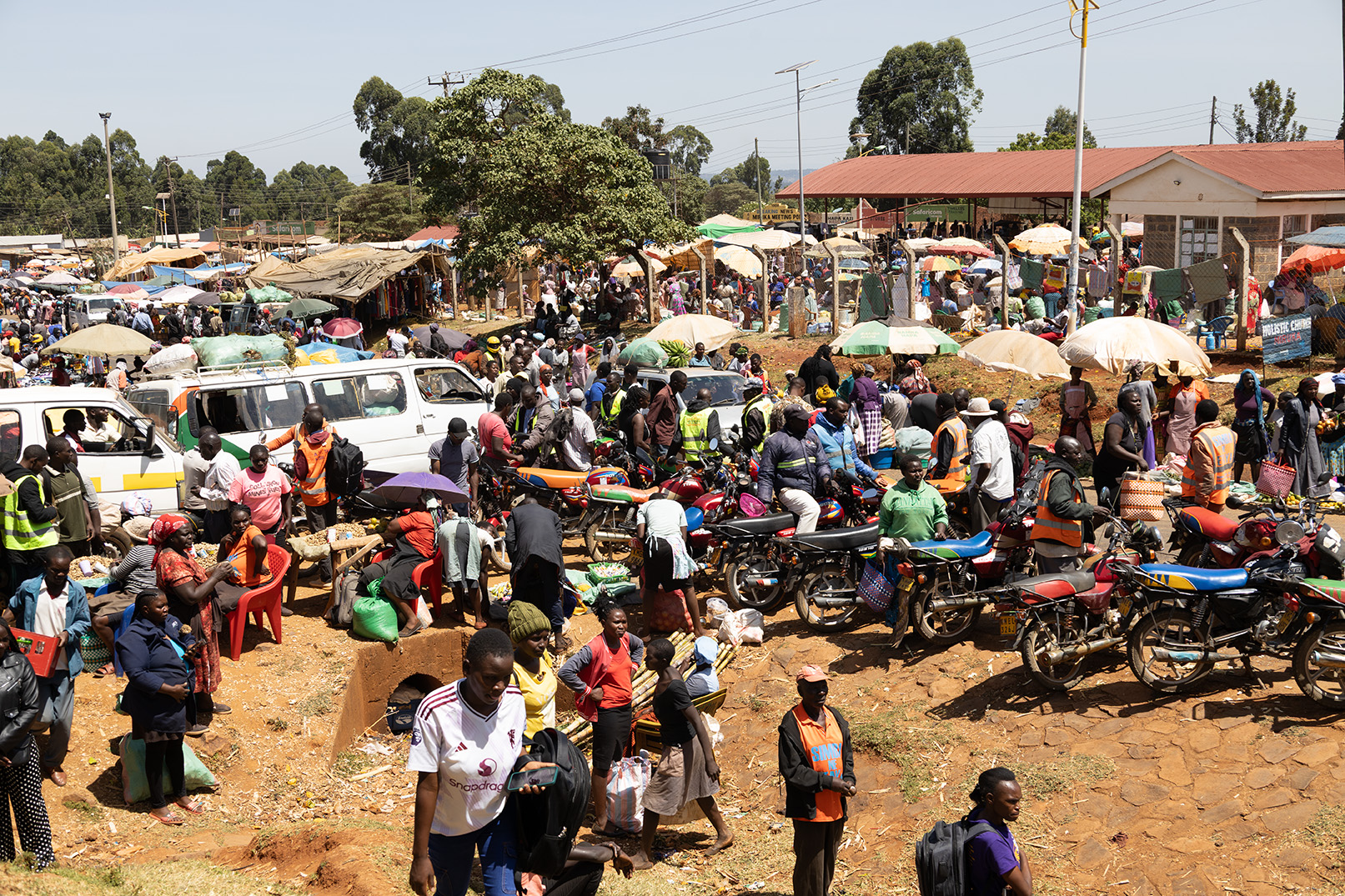
At African border crossings, commerce does not stop when the formal banking system does. Women arrive with sacks of produce, clothing, cosmetics and other goods, buy from one market and sell in another. They know their suppliers, their customers and the routes that make their businesses work.
Yet much of that economic activity remains difficult for formal finance to see. That matters because the same woman who can successfully run a trading business may struggle to prove to a lender that she is creditworthy. She may have no conventional financial statements, limited collateral, an incomplete formal credit history or documentation that does not capture the reality of her business.
UN Trade and Development has identified access to finance as one of the major obstacles facing women in informal cross-border trade. Its research in Malawi, Tanzania and Zambia found that limited access to capital and assets, along with difficulties proving repayment capacity and providing collateral or reliable identification, can restrict women's ability to expand their businesses.
The opportunity is bigger than simply providing another loan. It is about making an existing business visible. Consider what a trader already knows about herself that a conventional credit application may not capture. How often does she travel? How regularly does she buy stock? How long has she been trading? Does she repay suppliers on time? How quickly does inventory turn over? Does she have a consistent customer base?
These are signals of economic behaviour. As African financial systems become more digital, the possibility of using better data to understand borrowers is becoming increasingly important. IFC says digital channels, data analytics and partnerships with fintechs are changing how financial institutions can assess MSMEs (Micro, Small and Medium Enterprises) that have historically struggled to provide collateral, financial records or formal business plans.
That shift could be particularly meaningful for women traders. The goal should not be to force every informal business into a conventional banking model overnight. It should be to build financial systems capable of understanding how these businesses operate.
There is already movement in that direction. In June 2026, the UN Economic Commission for Africa launched a regional project focused on women-owned informal businesses engaged in cross-border trade, highlighting the need to remove barriers and improve their ability to benefit from opportunities created by the African Continental Free Trade Area.
For investors, this creates an interesting question: what happens when previously overlooked economic activity becomes measurable enough to finance?
That is where the opportunity extends beyond the individual trader. InNova Global Fund's model provides one example of how international capital can relate to local microlending ecosystems. According to its current website, InNova provides administrative infrastructure that connects microlender capital with Kenyan partner platforms, which handle the on-the-ground microloan operations.
The larger lesson is simple. Africa does not lack economic activity at the grassroots; it often lacks the financial visibility needed to connect that activity with capital.
For investors, finding better ways to close that gap could be just as important as finding the next big company.
References
• UN Trade and Development (UNCTAD), Informal Cross-Border Trade for Empowerment of Women, Economic Development and Regional Integration in Eastern and Southern Africa. UNCTAD — Informal Cross-Border Trade and Women
• UNCTAD, Leveraging Digital Solutions to Seize the Potential of Informal Cross-Border Trade. UNCTAD — Digital Solutions and Informal Cross-Border Trade
• UN Economic Commission for Africa, Central Africa: ECA Launches Regional Project to Remove Barriers Facing Women in Cross-Border Trade. UN ECA — Women in Cross-Border Trade
• IFC, MSME Banking in the Digital Era. IFC — MSME Banking in the Digital Era
• InNova Global Fund, Microfinance Matters. InNova Global Fund — Microfinance Matters
• InNova Global Fund, How InNova Works. InNova Global Fund — How InNova Works

.png)

.png)