Microfinance Matters


The Need
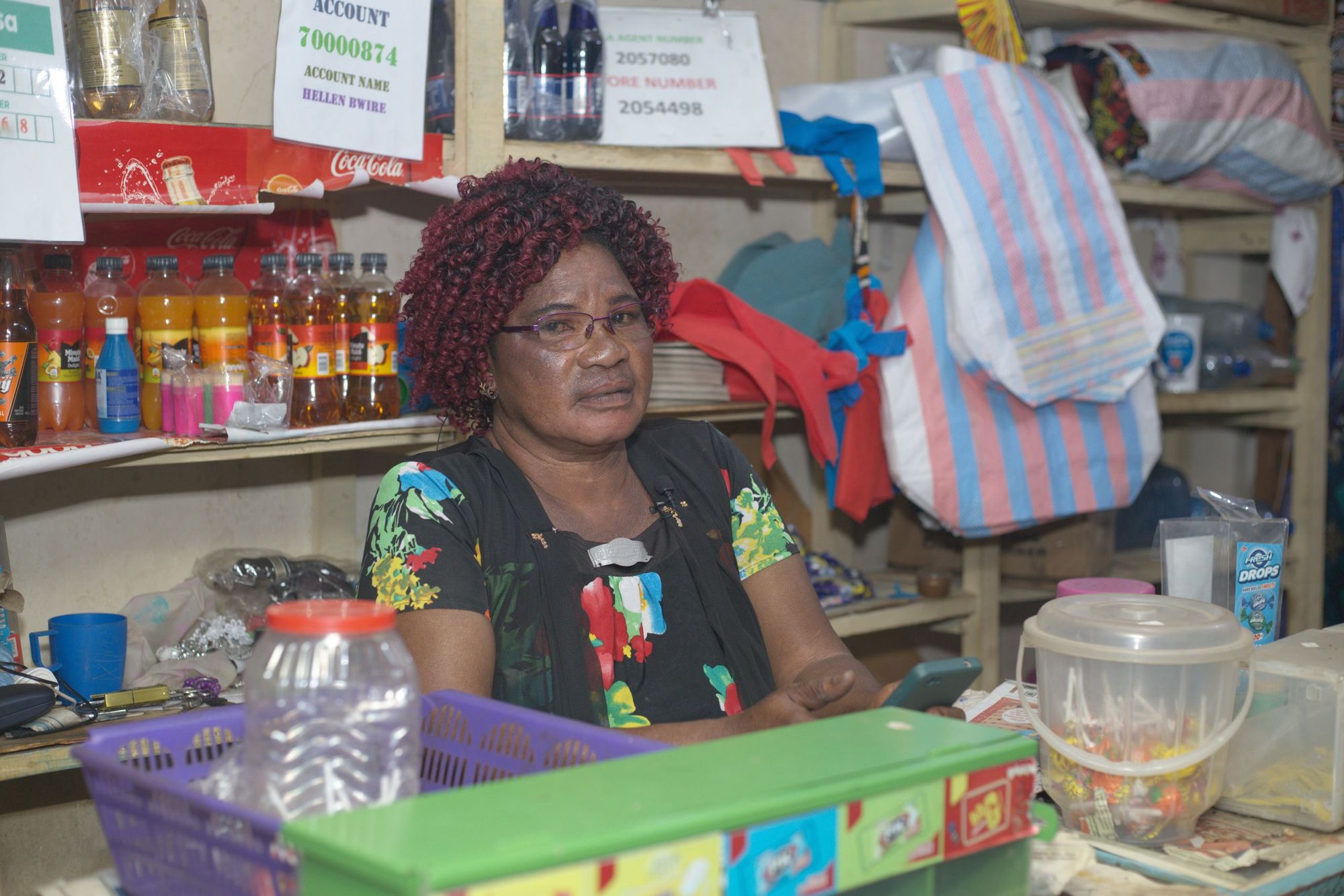
Access to financial services is a fundamental driver of economic development, yet it remains out of reach for billions of people worldwide. According to the World Bank’s Global Findex Database (2025), 1.3 billion adults globally remain unbanked—that is, they do not have an account with a bank, microfinance institution, mobile money provider, or other regulated financial service provider (World Bank’s Global Findex Database Report, 2025). This financial exclusion disproportionately affects low-income households, rural communities, and women, severely limiting their ability to save, borrow, or plan for the future.
The implications are profound. Without access to basic financial tools like microloans, savings accounts, and credit facilities, individuals are unable to invest in small businesses, pay for education or healthcare, or withstand financial shocks such as medical emergencies or natural disasters. As noted in research published by the Consultative Group to Assist the Poor (CGAP), access to formal financial services has been shown to enhance resilience, promote entrepreneurship, and increase household consumption and savings (CGAP, 2024).
The Credit Access Gap in Kenya
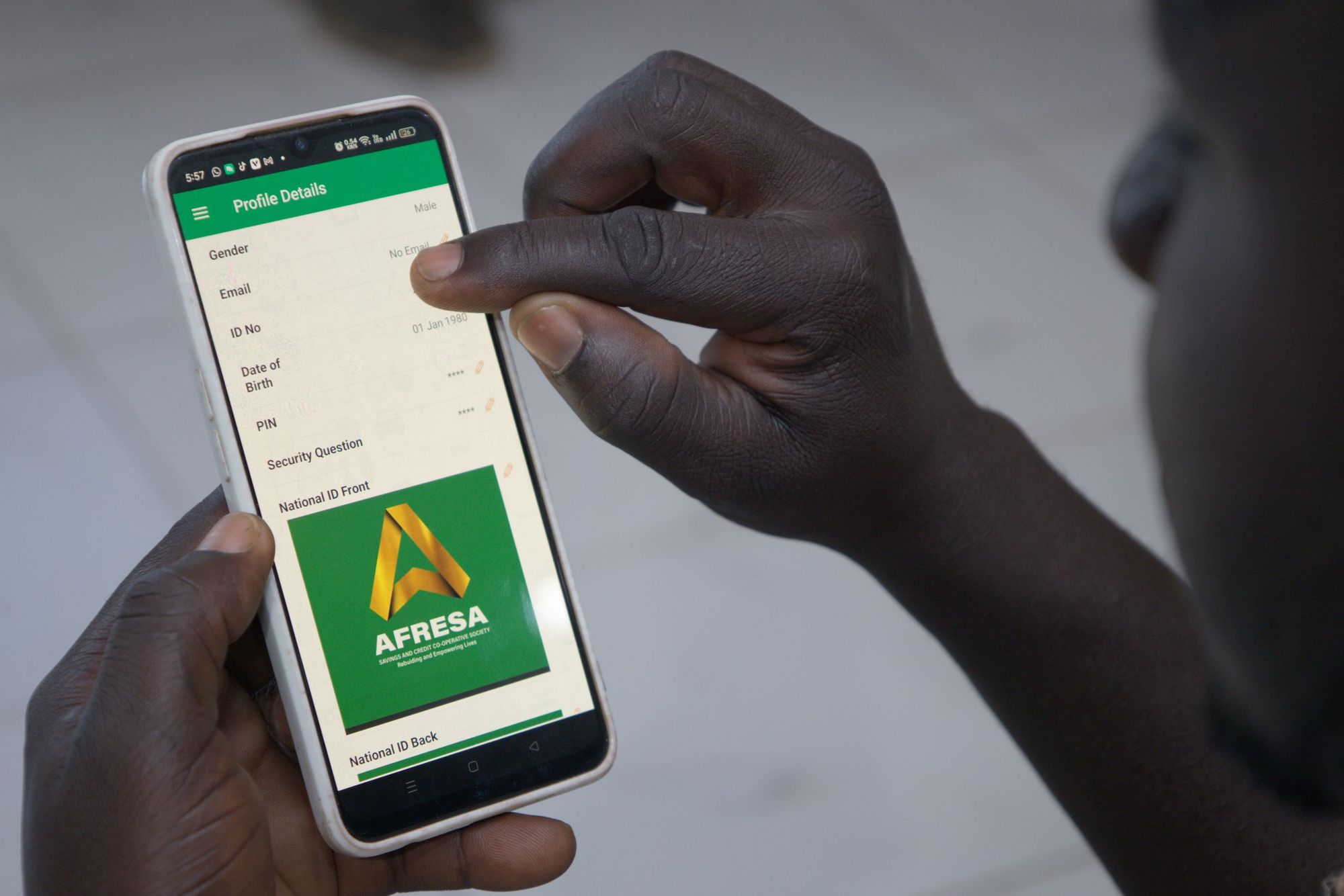
While Kenya is often hailed as a global leader in digital finance—primarily due to the success of mobile money platforms like M-Pesa—substantial challenges remain. According to FinAccess Household Survey (2024), approximately 30% of Kenyan adults still lack access to formal credit services, even as mobile money usage exceeds 84.9% penetration among adults. This discrepancy highlights a crucial distinction: while mobile money enables basic transactions, it does not necessarily equate to access to credit, capital, or structured financial tools.
The challenge is even more acute among:

Women
who face systemic barriers including lack of collateral, lower financial literacy, and restrictive cultural norms;

Rural populations
who are often geographically isolated from banks and underserved by traditional financial institutions;

Youth and informal sector workers
who typically lack stable income or formal employment records required for microloan approval.
InNova Global Fund’s Role in Bridging the Divide
InNova Global Fund aims to bridge the global financial access gap by supporting initiatives that empower underserved communities. Through its administrative support, InNova Global Fund's facilitates both donor contributions and international microlender capital directed toward high-impact efforts in developing regions, with its primary focus on Kenya.
We do not originate microloans ourselves; instead, we operate as a facilitator to our Kenyan partnered platforms who are deeply embedded in their communities and understand the unique financial behaviors, risks, and opportunities within them.
This model supports borrowers in emerging markets within Kenya to:

Launch or expand small businesses
driving job creation and household income

Invest in education
improving long-term prospects for children

Access healthcare
reducing vulnerability to health-related financial shocks

Secure housing and utilities
contributing to better living conditions
Achieve financial independence
especially for women and marginalized populations.
According to a 2024 report by the International Finance Corporation (IFC), microfinance has been a critical tool for reducing poverty and enhancing financial resilience, particularly when structured with community-driven accountability and clear administrative oversight (IFC, 2024).
Sustained Impact through
Capital Deployment
The power of InNova Global Fund's model lies in its ability to activate trusted microlending ecosystems rather than displace them. Our support does not stop at raising donations—it includes:
- Financial literacy initiatives to empower borrowers to manage debt responsibly;
- Portal and system management to ensure international microlenders and local partners stay connected and informed.
Ultimately, microfinance done right is a catalyst for inclusive economic growth. As emerging markets like Kenya continue to evolve, microfinance offers a pathway toward long-term stability and opportunity for millions.
The statistics, research findings, and economic analysis cited above are drawn from publicly available and credible sources, including the World Bank, CGAP, FSD Kenya, Central Bank of Kenya, and the International Finance Corporation. InNova Global Fund, LLC. acknowledges and attributes all third-party data accordingly, and does not represent these third-parties in any way.
Why Microfinance

Global Financial Exclusion
1.3 billion adults worldwide remain unbanked, lacking access to essential financial services driving job creation and household income
Source: World Bank, 2025

The Credit Gap in Kenya
Over 30% of Kenyan adults lack access to formal credit, despite the proliferation of mobile money platforms.
Source: 2024 FinAccess Household Survey

Disproportionate Impact
Women, rural families, and micro-entrepreneurs are most affected, limiting their economic opportunities and resilience.

InNova Global Fund's Mission
Bridging the gap by channeling global capital to underserved communities through trusted local microlending partners.
Empowering individuals with fair, transparent, and structured microloan opportunities.
Unlock Global Finance
Become An
International Microlender participant



*Figures shown are stated rates, not guarantees; InNova may adjust them, actual returns will vary and you may lose some or all of your principal. Any investment is made solely through the Private Placement Memorandum and participation agreement. Past or projected performance is not indicative of future results.
Disclaimer: *Rates and conditions are subject to change and are not guaranteed.
IMPORTANT: The content on this website is provided for informational purposes only and does not constitute an offer to sell or a solicitation of an offer to buy any security or investment product. Any offering, if made, will be made only through the applicable offering documents (which may include an offering circular, offering statement, private placement memorandum, or prospectus) and only in jurisdictions where lawfully permitted. No money or other consideration is being solicited or will be accepted unless and until an investor has received the applicable offering documents and the issuer has confirmed the investor’s qualification and eligibility, as applicable. Nothing on this website constitutes an investment recommendation or advice of any kind, including legal, tax, accounting, or investment advice. You should consult your own professional advisors before making any investment decision.
Disclaimer: *Rates and conditions are subject to change and are not guaranteed.
IMPORTANT: The content on this website is provided for informational purposes only and does not constitute an offer to sell or a solicitation of an offer to buy any security or investment product. Any offering, if made, will be made only through the applicable offering documents (which may include an offering circular, offering statement, private placement memorandum, or prospectus) and only in jurisdictions where lawfully permitted. No money or other consideration is being solicited or will be accepted unless and until an investor has received the applicable offering documents and the issuer has confirmed the investor’s qualification and eligibility, as applicable. Nothing on this website constitutes an investment recommendation or advice of any kind, including legal, tax, accounting, or investment advice. You should consult your own professional advisors before making any investment decision.
Coming Soon January 1st, 2026