Beyond Hypergrowth: Fintech Enters Its Profitability Era
The first question investors used to ask the fintechs was simple: How fast are you growing? How many customers? How many transactions? How many countries?


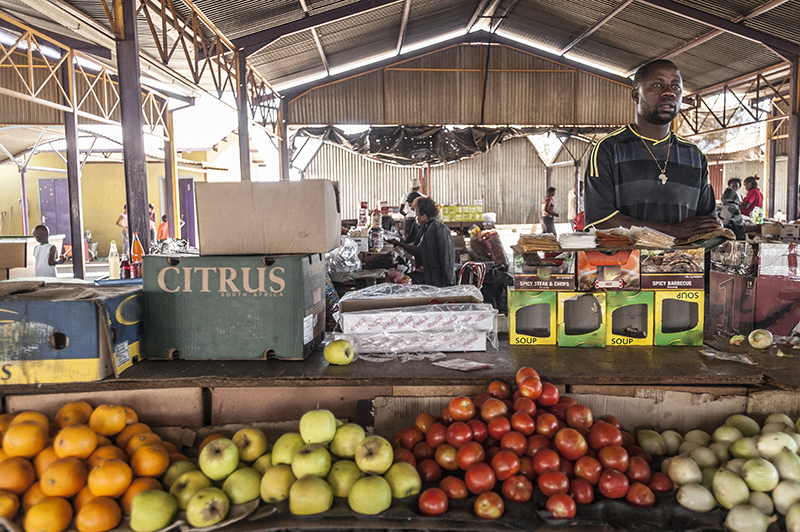
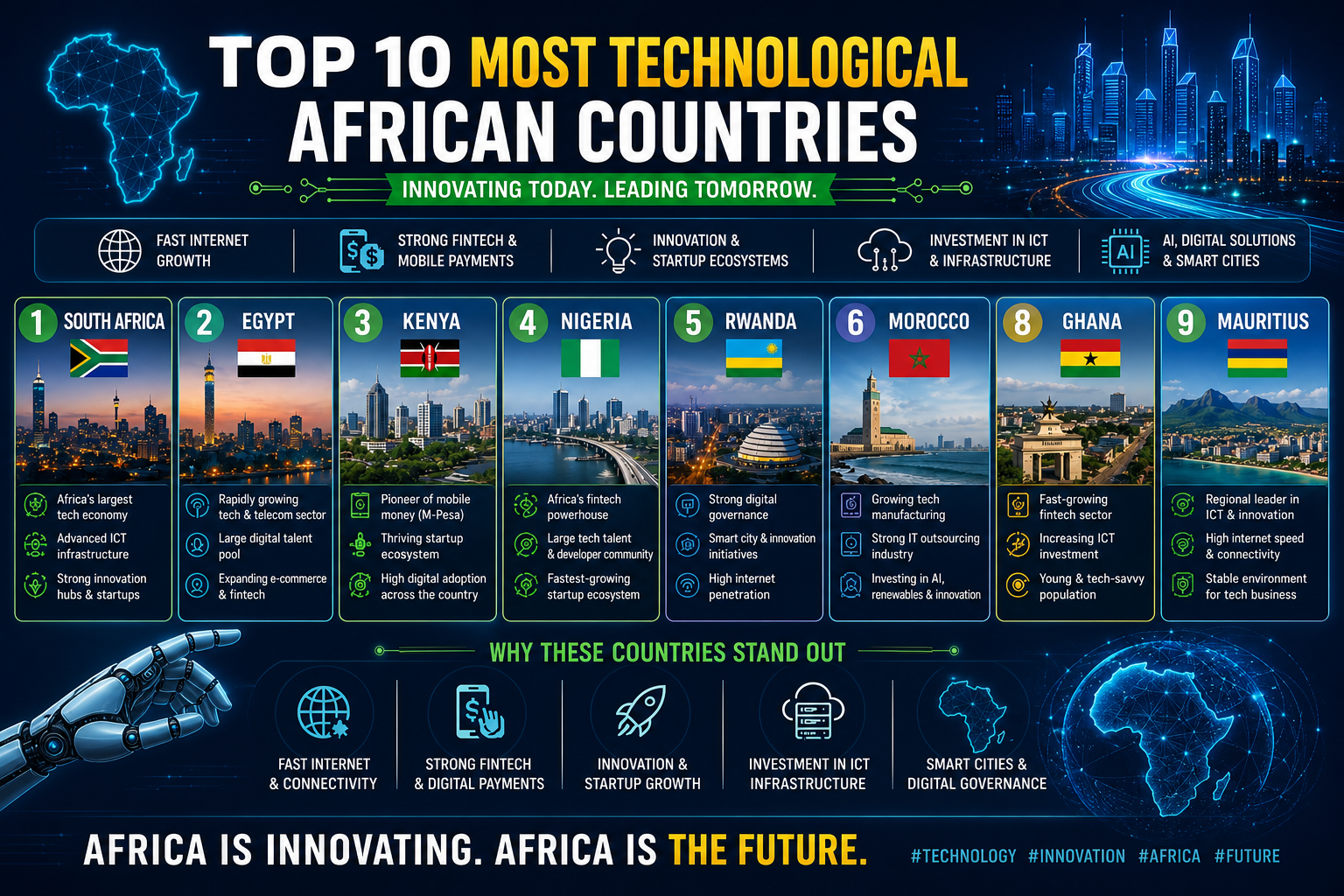
Across Sub-Saharan Africa, financial inclusion has increasingly shifted from being a long-term policy objective to a lived reality for millions of individuals, largely driven by the widespread adoption of mobile money and digital financial services. What makes this transformation particularly significant is not only the scale at which access has expanded, but also the way in which financial services are now integrated into the daily lives of people across both urban and rural communities.
.png)

.png)


By: Rendi Nyangua
Across Sub-Saharan Africa, financial inclusion has increasingly shifted from being a long-term policy objective to a lived reality for millions of individuals, largely driven by the widespread adoption of mobile money and digital financial services. What makes this transformation particularly significant is not only the scale at which access has expanded, but also the way in which financial services are now integrated into the daily lives of people across both urban and rural communities.
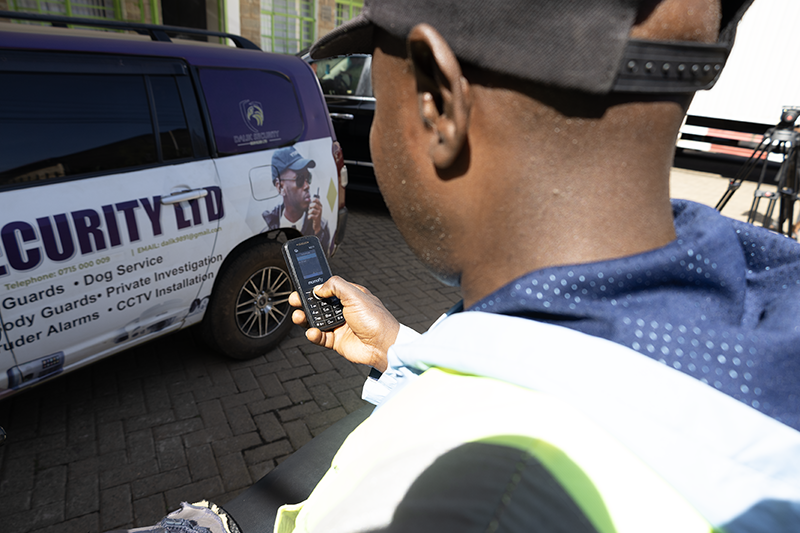
Mobile money platforms have become an essential part of everyday economic activity, enabling individuals to send and receive funds, pay for goods and services, and manage basic financial needs using simple mobile devices. For many users, especially those in informal sectors, these platforms represent their primary interaction with the financial system. This has reduced reliance on cash-based transactions and created new opportunities for participation in formal economic structures without the traditional barriers associated with banking.
Beyond payments, digital financial services are also supporting livelihoods through the expansion of digital lending solutions. Small-scale traders, farmers, and micro-entrepreneurs are increasingly able to access short-term credit through mobile-based platforms, often without the need for formal documentation or collateral. By using alternative data such as transaction histories and mobile usage patterns, lenders are able to extend financial services to individuals who were previously excluded, supporting business continuity and income generation at the community level.
Despite this progress, the question of whether financial inclusion efforts are fully reaching the most underserved populations remains relevant. While account ownership has increased significantly, meaningful usage varies across different segments of the population. Factors such as digital literacy, affordability of internet-enabled devices, and levels of trust in digital systems continue to influence how individuals engage with available services. Addressing these challenges will be essential in ensuring that access translates into sustained financial participation.
The role of women in this evolving landscape is particularly important. Access to mobile money and digital financial tools has provided many women with greater financial independence, enabling them to manage household finances, save more consistently, and participate more actively in economic activities. However, disparities in access and usage still exist in certain regions, indicating the need for targeted approaches that consider social, cultural, and economic barriers.
As financial systems continue to expand, institutions operating within this ecosystem play a critical role in ensuring that inclusion efforts remain both effective and sustainable. Responsible lending practices, transparent financial products, and user-focused service design are essential in building trust and supporting long-term engagement.
Organizations such as Afresa Sacco contribute to this environment by supporting access to responsible financing and helping extend financial services to communities that remain underserved.
Looking ahead, the future of financial inclusion in Africa will depend not only on continued technological innovation but also on the ability to design systems that reflect the realities of everyday users. While mobile money has created a strong foundation, the next phase will require a deeper focus on usability, trust, and equitable access, ensuring that the benefits of financial inclusion are experienced across all segments of society.
References:
World Bank – Global Findex Database
https://www.worldbank.org
GSMA – State of the Industry Report on Mobile Money
https://www.gsma.com
Alliance for Financial Inclusion – Financial Inclusion Policy Reports
https://www.afi-global.org
Consultative Group to Assist the Poor (CGAP) – Digital Finance Research
https://www.cgap.org
Unlock Global Finance