Africa’s Business Boom Has a Financing Problem
A business can have customers waiting, suppliers ready to deliver, and a product people want. Yet the deal can still fall apart because the money needed to complete it isn't available when it's needed.


A business can have customers waiting, suppliers ready to deliver, and a product people want. Yet the deal can still fall apart because the money needed to complete it isn't available when it's needed.


A business can have customers waiting, suppliers ready to deliver, and a product people want. Yet the deal can still fall apart because the money needed to complete it isn't available when it's needed.
This is one of the less visible problems facing businesses across Africa. Finding a market matters, of course, but being able to serve that market is another challenge altogether.
Consider a Kenyan wholesaler who imports electrical equipment. A contractor has placed an order, but the wholesaler must pay the overseas supplier before the contractor settles the invoice. Without enough working capital, the wholesaler may have to turn down the order, negotiate a smaller shipment, or borrow at a cost that eats into the profit. The opportunity is real. The money needed to take it up is missing.
This is the practical side of the trade-finance gap, and it is receiving renewed attention in Kenya.
On 15 October 2026, the African Development Bank announced a $60 million trade-finance guarantee facility with Equity Bank Kenya. The arrangement is designed to reduce the risk faced by confirming banks on eligible trade transactions, giving them greater capacity to support Kenyan importers and exporters. Earlier in October, Family Bank also secured a $10 million facility from the African Development Bank to expand financing for businesses involved in trade, including those in manufacturing, agriculture, healthcare and renewable energy.
These announcements matter because they address a problem that is not always solved by having a good business plan. Banks must manage their own exposure, foreign-currency requirements and the risks associated with cross-border transactions. Guarantees can help make some transactions possible that might otherwise struggle to secure financing.
But trade finance is only one part of the picture.
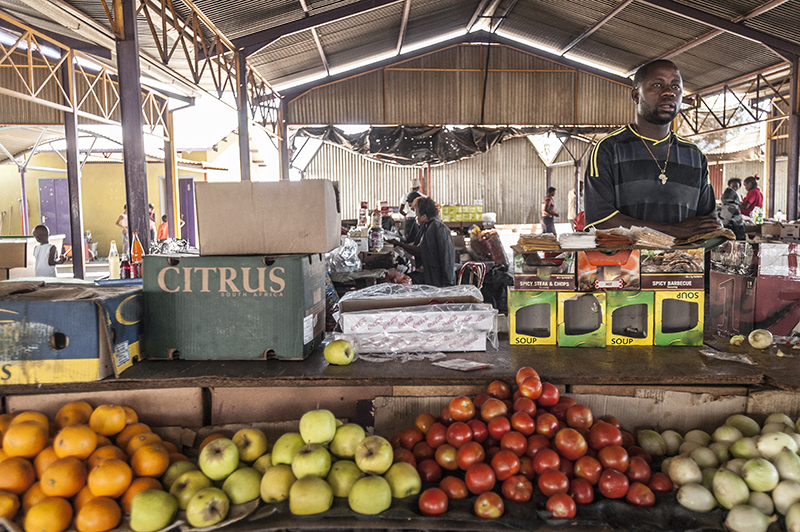
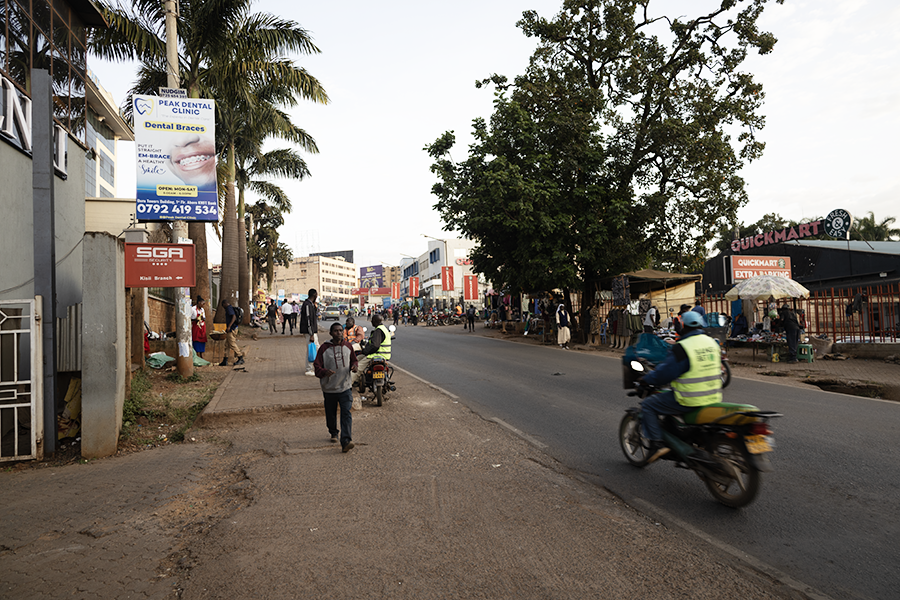
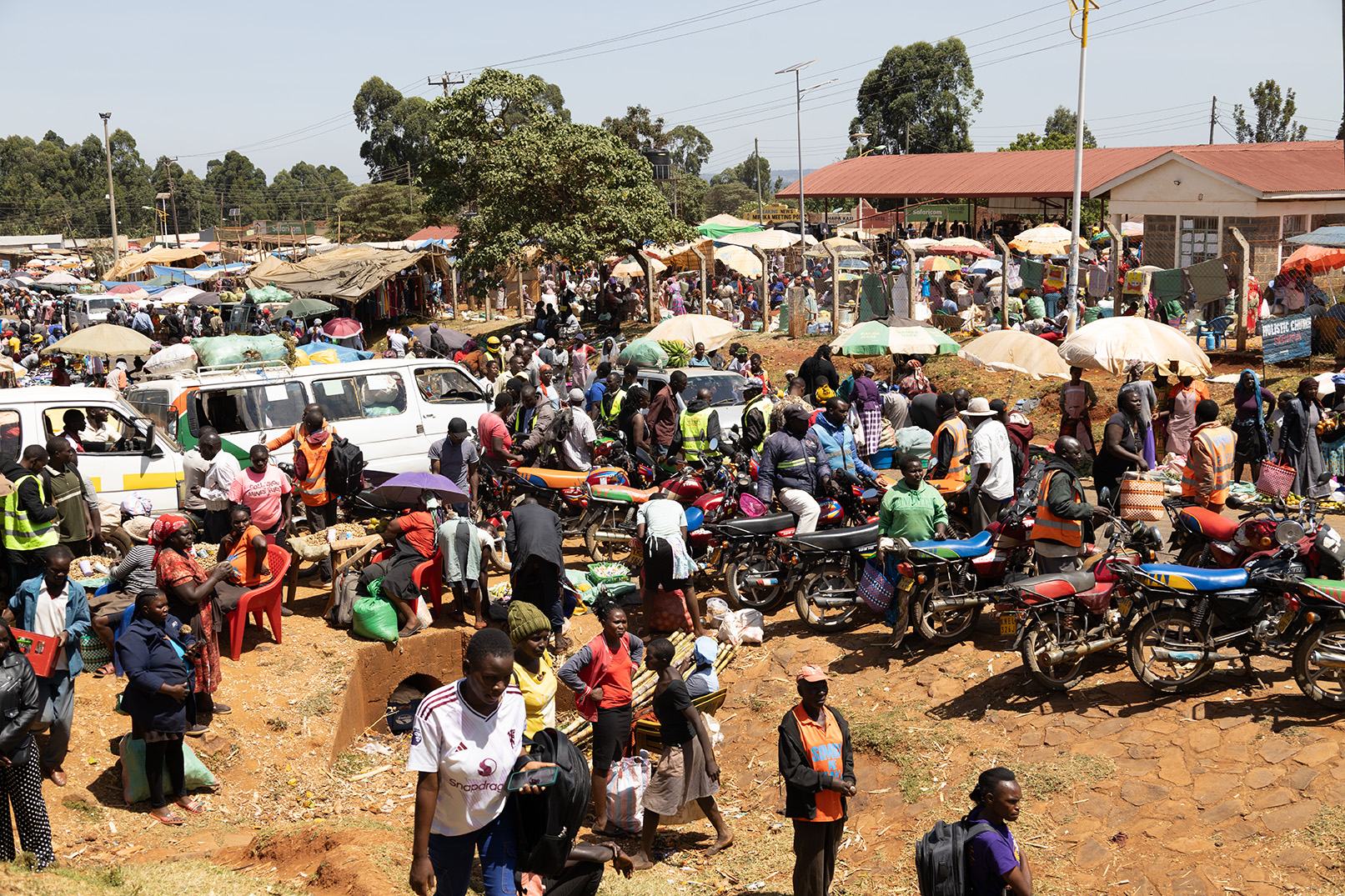
Many smaller businesses do not import containers or issue large invoices. A market trader needs stock before the weekend rush. A small shopkeeper may need money to replenish fast-moving goods. A farmer may need inputs before harvest, while a repair business needs equipment before it can take on more customers. Their financing requirements are different, but the underlying issue is familiar: money must be available when the business needs to use it.
There is also a timing problem. A business may be profitable on paper and still run short of cash because its customers pay late while its suppliers expect payment upfront. This is why the amount of credit available in an economy does not tell the whole story. The terms, timing, cost and accessibility of that credit matter just as much.
For financial institutions, the challenge is to understand these differences rather than treat every business as if it has the same needs. A large exporter may require a letter of credit or foreign-currency facility. A neighbourhood retailer may need a much smaller loan with a shorter repayment cycle. Neither solution automatically substitutes for the other.
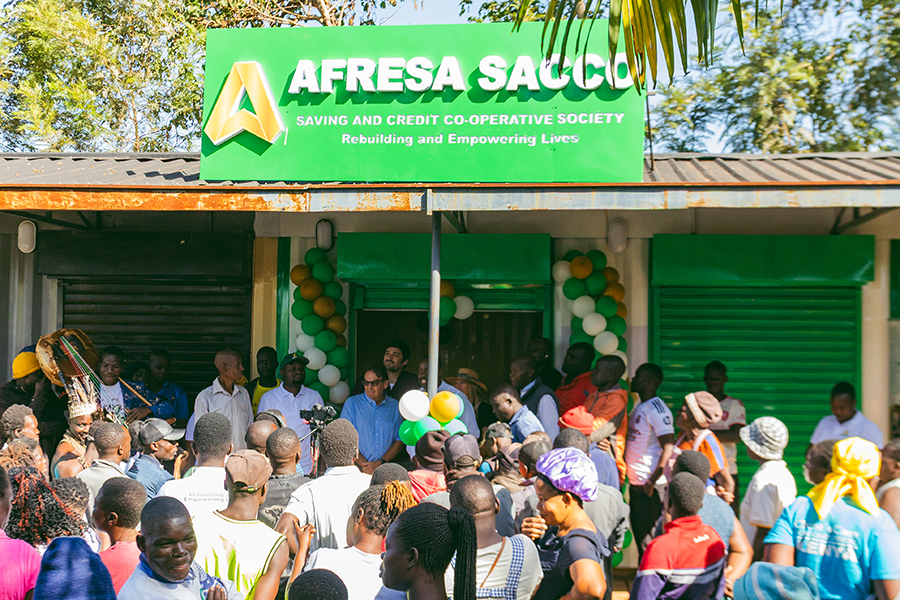
This is where the broader financial ecosystem becomes important. InNova Global Fund, for example, provides administrative infrastructure connecting participant capital with Kenyan partner platforms that issue microloans to microenterprises. Its role sits within a different segment of finance from bank-led trade guarantees, but it illustrates why the route through which capital reaches a business matter.
The question for Africa is not simply how much financing can be mobilised. It is whether the financial system can match the right form of capital to the business, at the point when that business can put it to productive use.
A signed order is a beginning, not a guarantee of growth. The businesses that fulfil orders, pay suppliers, retain workers and return for the next opportunity are the ones that turn commercial demand into economic activity.
Africa does not lack entrepreneurs with something to sell. The harder task is ensuring that a promising opportunity does not disappear simply because the money arrived too late — or never arrived at all.
References
• African Development Bank, 15 October 2026 — AfDB and Equity Bank Kenya sign $60 million trade-finance guarantee facility.
• Business Daily Africa, 5 October 2026 — Family Bank taps $10 million from AfDB to finance trade.
• International Finance Corporation, 4 August 2026 — IFC supports expansion of financing for Kenya’s small businesses.
• InNova Global Fund — About InNova
Unlock Global Finance