A $16 billion refinery is difficult to ignore.
On September 30, construction officially began on the Dangote East Africa Petroleum and Petrochemicals project in Lamu, a facility planned to process up to 700,000 barrels of crude oil a day. Dangote expects construction to take about 40 months. The project is also being positioned as part of the wider LAPSSET corridor linking Kenya’s coast with markets across East Africa.
But the refinery itself may be only the first part of the economic story.
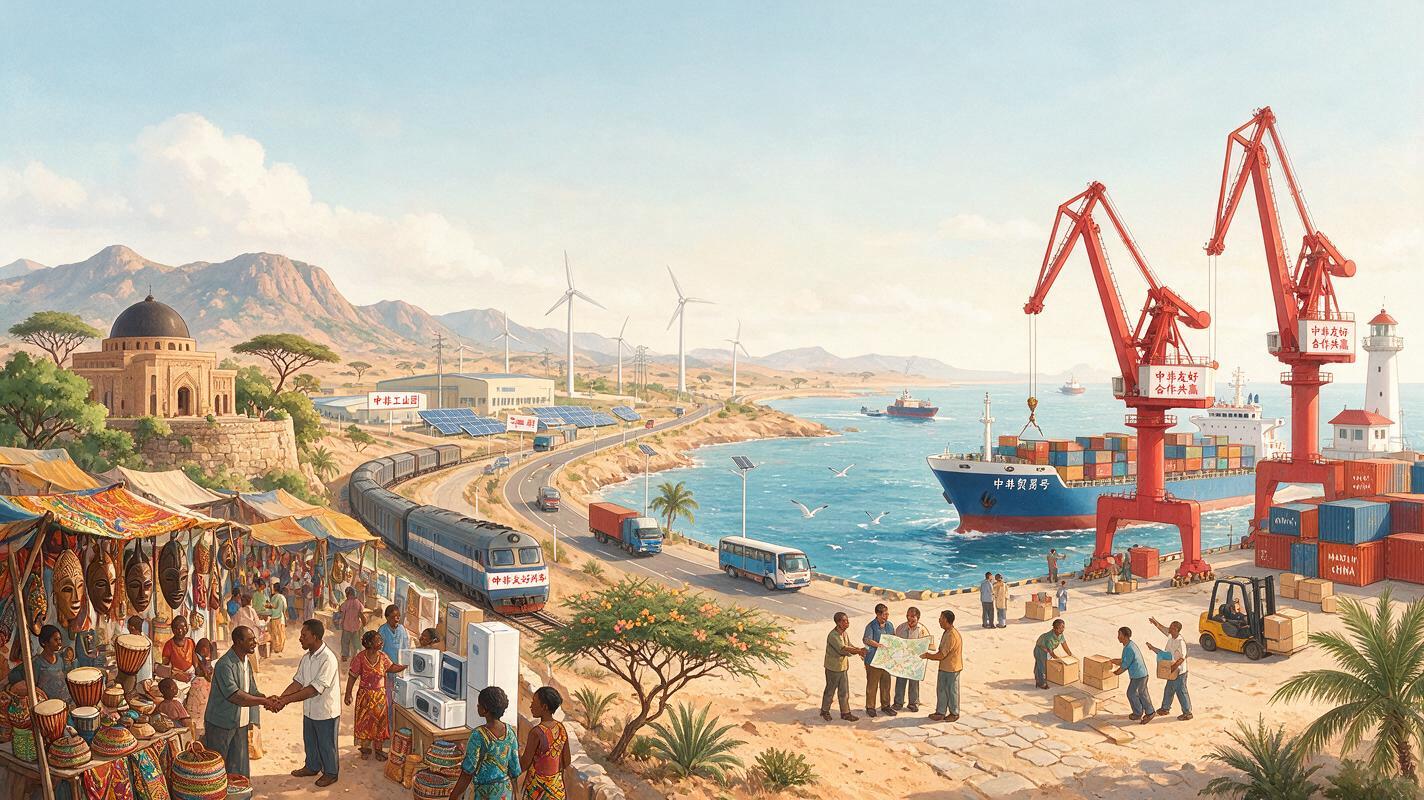
Large industrial projects change the economics around them. A refinery needs transport. Transport needs roads, ports and storage. Contractors need suppliers. Suppliers need working capital. Workers need housing, food, retail and services. Manufacturers begin looking for opportunities that did not exist before the investment arrived.
That is when infrastructure starts becoming an economy rather than simply an asset.
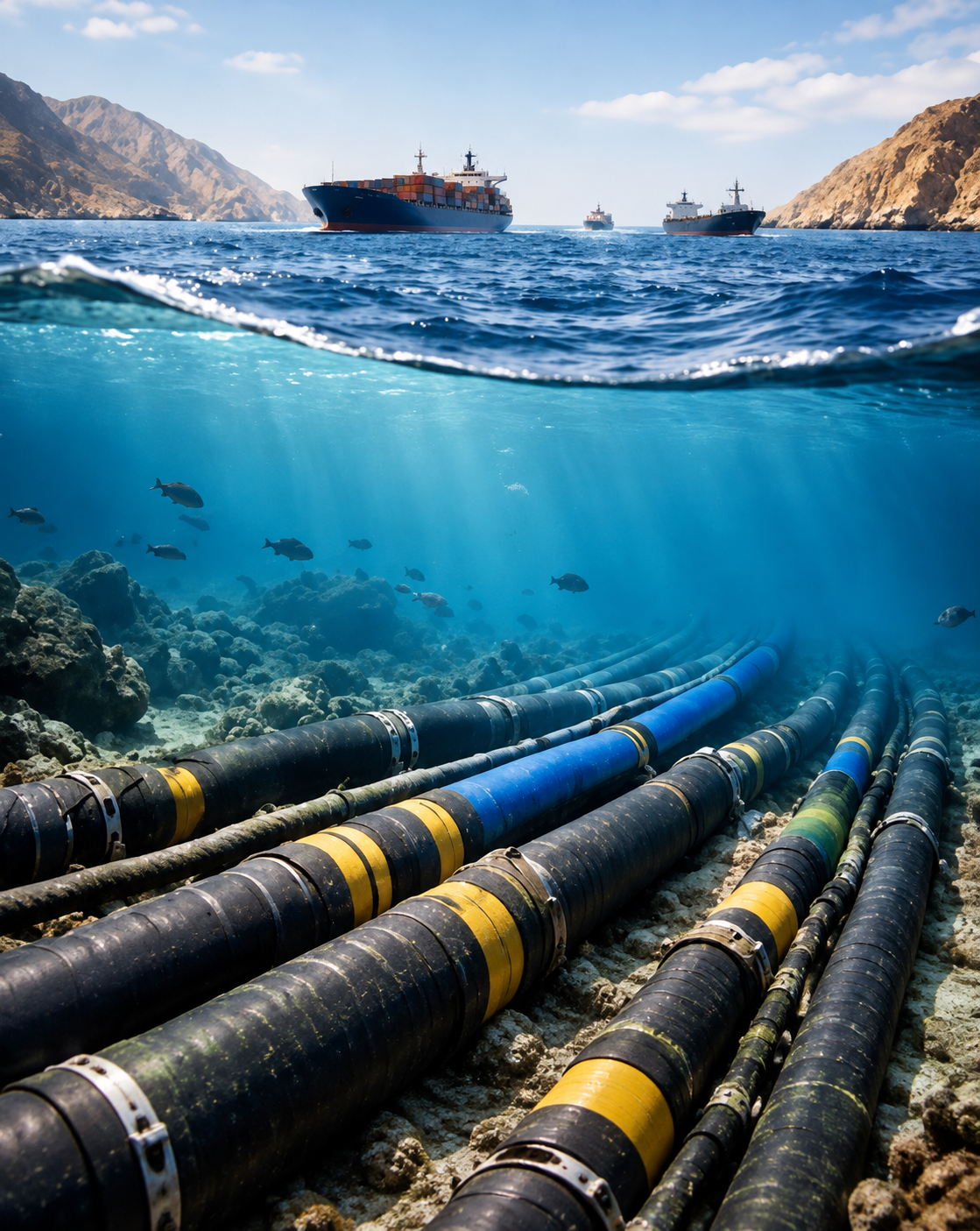
Lamu is particularly interesting because the project is being developed alongside an existing strategic ambition for the region. Lamu Port and the LAPSSET corridor were designed to become gateways for trade and transport into Kenya’s interior and neighbouring countries. A major industrial facility gives those networks another reason to expand.
This is also why the regional dimension matters.
A refinery of this scale is larger than the requirements of the Kenyan market alone. Its economics depend partly on regional demand and access to crude supplies from Kenya, neighbouring producers and international markets. Reuters has noted that crude supply and supporting energy infrastructure remain important questions for the project.
That does not make the investment less significant. It shows what investors are really taking on when they finance industrial transformation: not simply a building, but an entire network of businesses and infrastructure that has to work around it.
The same principle applies much further down the economic ladder.
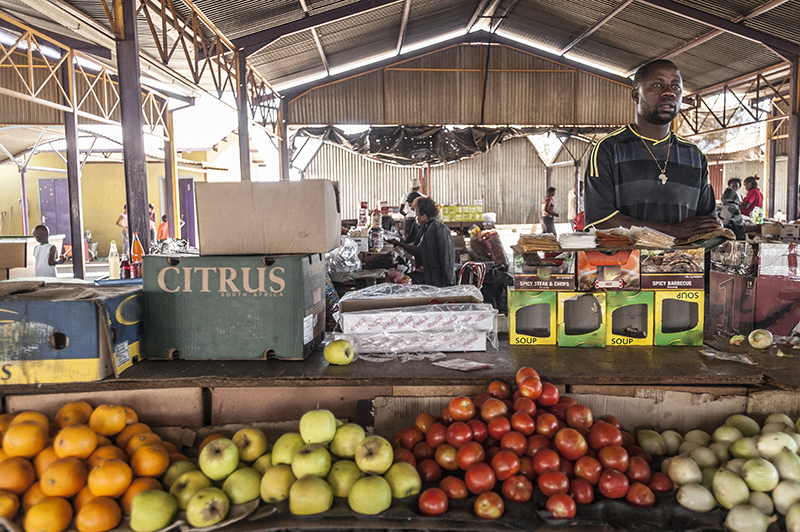
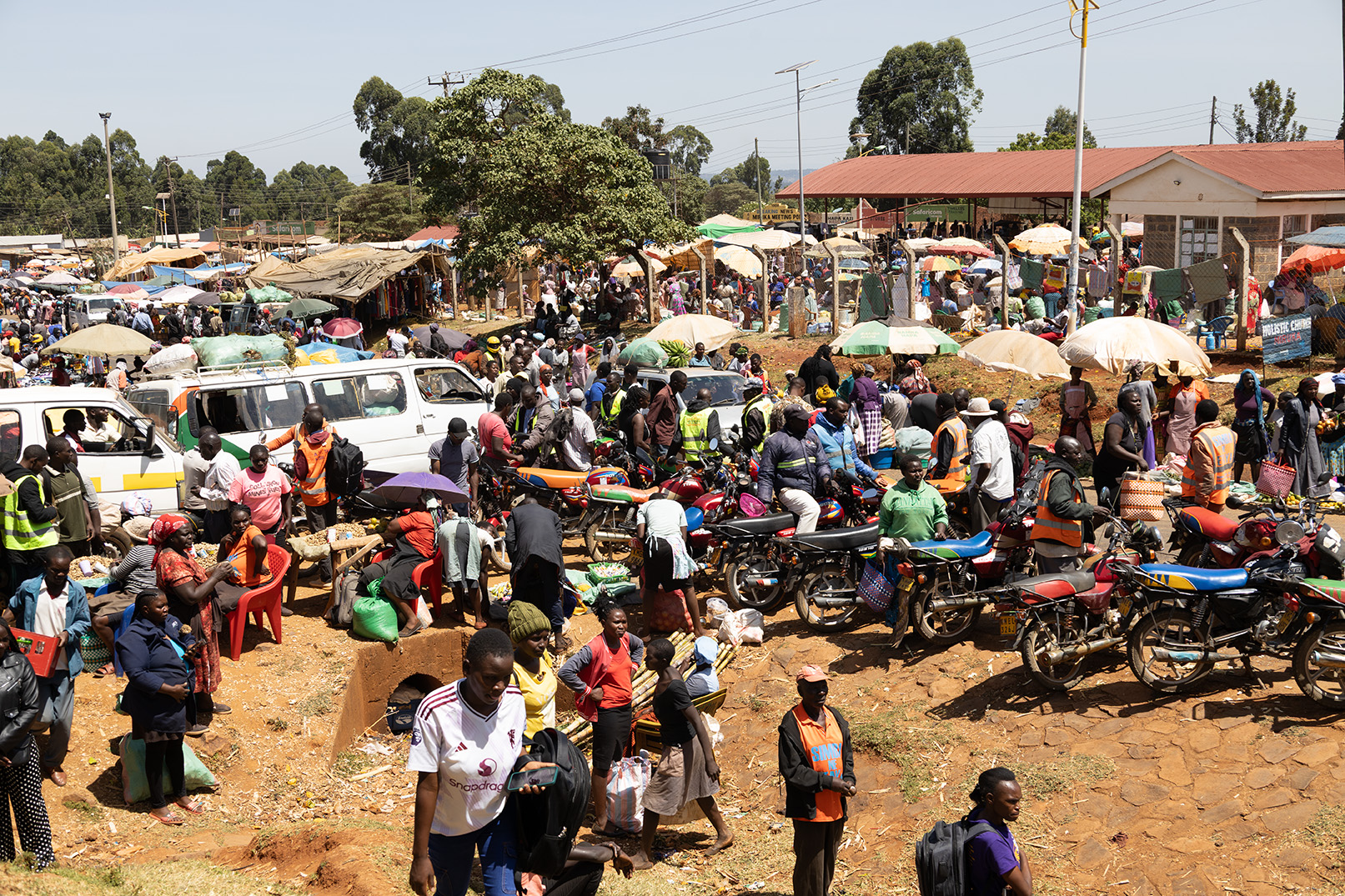
A large factory or refinery may attract billions of dollars, but thousands of smaller enterprises can ultimately determine how much value remains in the surrounding economy. The contractor supplying equipment, the transporter moving goods, the wholesaler stocking workers’ communities and the small business providing services all require access to capital.
This is where financial infrastructure becomes part of the industrial story.
InNova Global Fund operates at a very different end of that spectrum. Its model provides administrative infrastructure connecting participant capital with Kenyan partner platforms, which issue microloans to microenterprises and manage the local lending activity.
The connection is not that InNova finances a refinery. It is that major economic investment eventually creates layers of smaller economic activity, and those businesses need financial systems capable of reaching them.
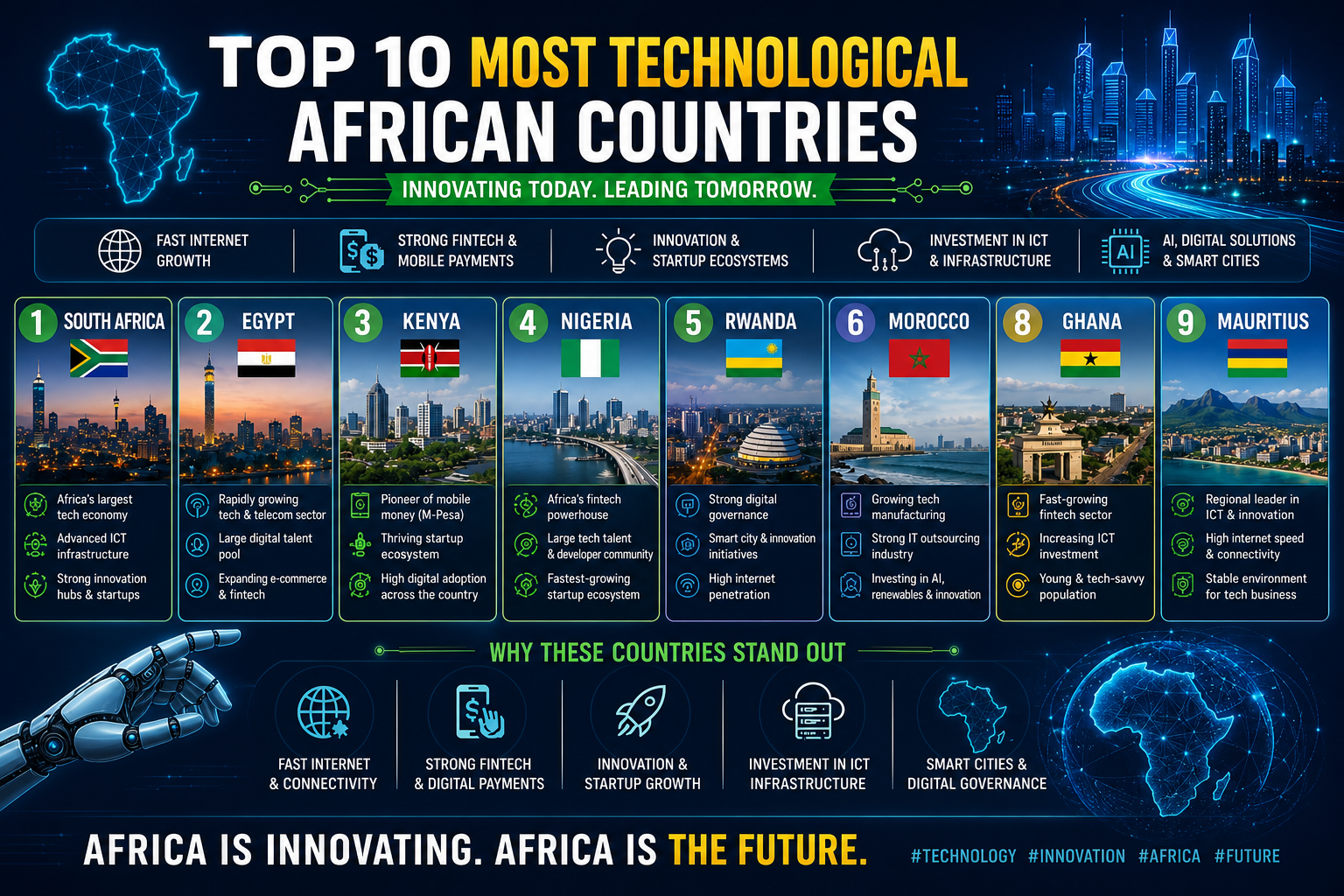
Africa has spent decades discussing infrastructure as a question of what needs to be built.
The more important question may now be what happens around what gets built.
If Lamu succeeds, its significance will not be measured only in barrels of refined fuel. It will also be measured in the businesses, supply chains, skills, logistics networks and financial activity that grow because the refinery exists.
A refinery can process oil.
The real test is whether it helps an economy process opportunity.
References
• Reuters — Nigeria’s Dangote breaks ground on $16 billion East African oil refinery in Kenya
• African Business — Dangote and Ruto break ground on $16bn Kenyan refinery
• Reuters — Dangote’s proposed Kenyan oil refinery faces hurdles, not least with crude supply
• InNova Global Fund — How InNova Works


.png)

.png)