By: Rendi Nyangua
Across many African economies, governments continue to face the complex challenge of balancing development priorities with the need for long-term fiscal sustainability. Over the past decade, public borrowing has increased significantly in several countries as governments sought to finance infrastructure development, improve public services, and respond to economic disruptions caused by global crises. While these investments have supported economic progress in many areas, they have also raised important questions about debt management and fiscal resilience.
According to recent discussions from the International Monetary Fund (IMF) and other international financial institutions, strengthening public debt frameworks has become an increasingly important priority for policymakers across the continent. In several cases, governments are now working to improve transparency in borrowing practices, enhance debt reporting systems, and adopt more disciplined fiscal planning strategies to ensure that debt remains sustainable over the long term.
Public debt itself is not inherently problematic. In fact, borrowing can play a productive role in financing infrastructure projects that stimulate economic growth and improve living standards. Investments in roads, energy systems, digital infrastructure, and public services can create long-term economic benefits when managed responsibly. The challenge arises when borrowing outpaces economic growth or when debt servicing costs begin to consume a significant share of government revenue.
Rising global interest rates in recent years have made this challenge more complex. As borrowing costs increase, several countries have had to adjust fiscal strategies to maintain financial stability. Some governments are focusing on improving domestic revenue collection, strengthening tax administration systems, and reducing inefficient public spending. Others are exploring debt restructuring arrangements or working with international financial institutions to implement policy reforms that support sustainable fiscal management.
In addition to government policy reforms, strong financial sector governance also plays a crucial role in maintaining healthy economic systems. Well-regulated banking sectors, transparent financial markets, and responsible lending standards help ensure that capital flows are directed toward productive investments rather than unsustainable financial expansion.
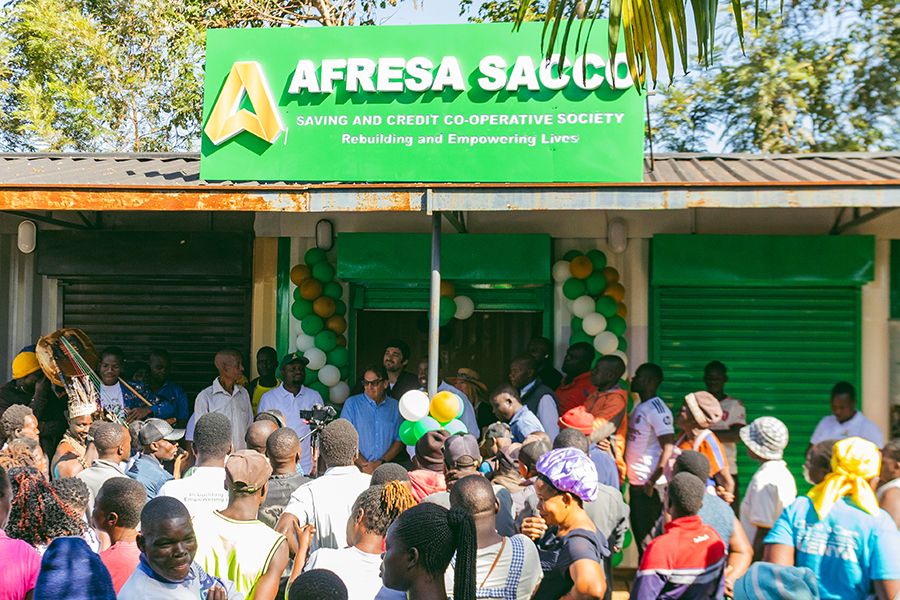
Financial institutions operating within African economies therefore serve as important partners in promoting long-term economic resilience. By maintaining sound credit practices and supporting responsible financing, banks and financial organizations can help reinforce stability within the broader financial system. Institutions such as Afresa Sacco contribute to this ecosystem by supporting responsible financial access and expanding opportunities for individuals and small enterprises to participate in sustainable economic growth.
Looking ahead, strengthening fiscal governance will remain a key priority across the continent. Continued collaboration between governments, development institutions, financial organizations, and the private sector will be essential in ensuring that economic growth remains inclusive while public finances remain stable.
While debt management challenges will not disappear overnight, many African economies are already taking meaningful steps toward stronger fiscal frameworks. With improved transparency, better financial management practices, and responsible lending across the financial sector, the region can continue pursuing development goals while maintaining long-term economic stability.
References:
International Monetary Fund – Fiscal Monitor Reports
https://www.imf.org/en/Publications/FM
World Bank – Debt Sustainability in Developing Economies
https://www.worldbank.org/en/topic/debt
African Development Bank – African Economic Outlook Debt Analysis
https://www.afdb.org/en/knowledge/publications/african-economic-outlook


.png)

.png)