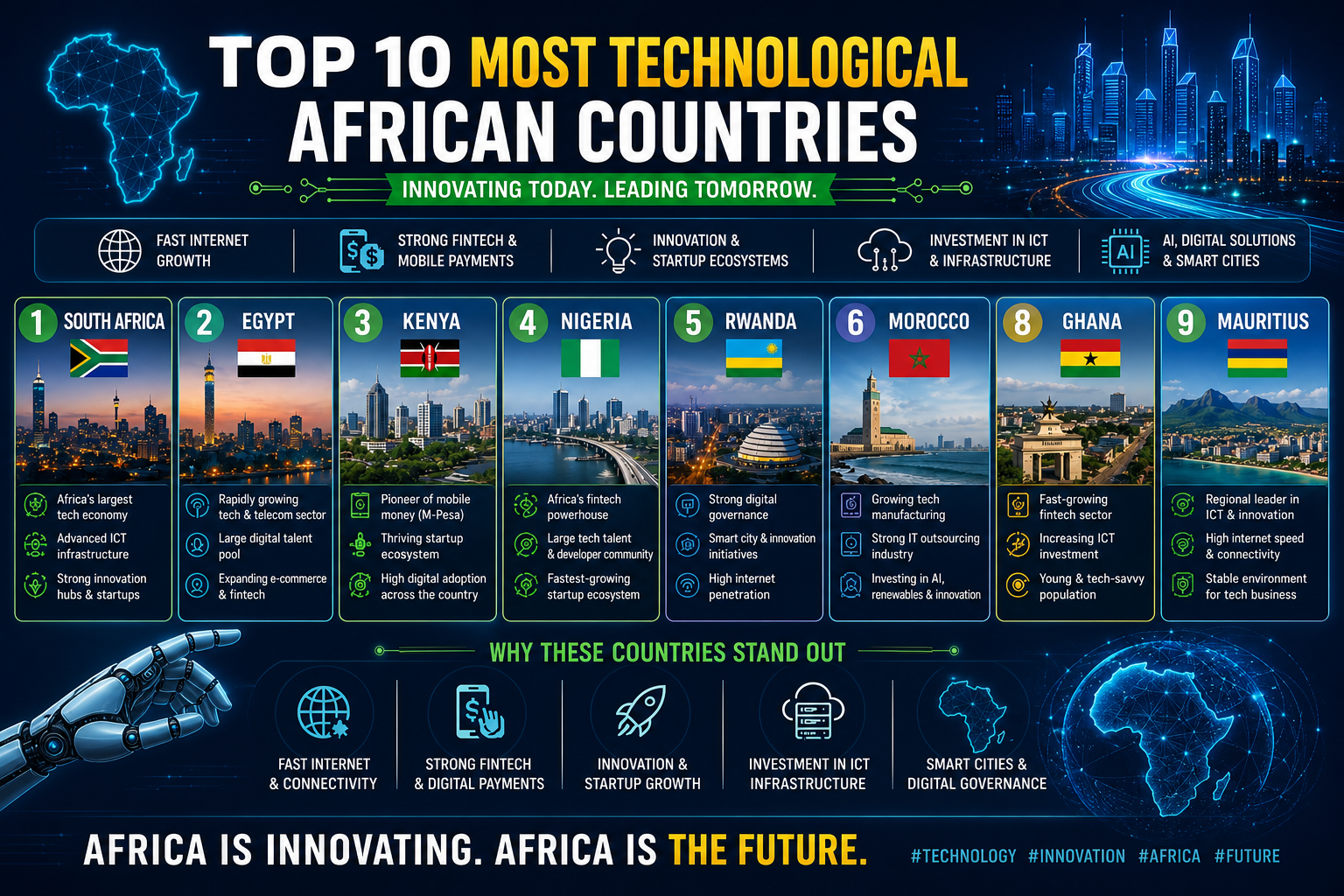
As artificial intelligence continues to gain traction within the global financial sector, African banking systems are entering a critical phase where the conversation is gradually shifting away from simple technology adoption toward deeper considerations around data governance, regulatory alignment, and the development of systems that are both locally relevant and institutionally sustainable, particularly as early adopters in markets such as South Africa begin to integrate AI into core banking operations at scale.
In many developed financial systems, AI models have been built using extensive historical datasets supported by structured economic activity, consistent income records, and well-established credit reporting frameworks, conditions that are not always fully present across a number of African markets where financial behaviors tend to be more dynamic, informal, and less documented. This difference has led to increasing awareness among policymakers and financial institutions that the effectiveness of AI systems in Africa will depend heavily on the quality, relevance, and representativeness of the data used to train them.
As a result, there is growing emphasis on the development of localized data ecosystems that can support more accurate and context-specific financial modeling, including the use of alternative data sources such as mobile transactions, digital payment patterns, and non-traditional indicators of financial activity. These approaches have the potential to improve credit risk assessment, enhance fraud detection mechanisms, and support more inclusive financial decision-making processes, provided that they are implemented within appropriate regulatory frameworks that safeguard data privacy and ensure transparency.
At the institutional level, the integration of AI is also influencing internal governance structures, with banks increasingly required to establish clear policies around algorithmic accountability, model validation, and risk oversight. Regulatory bodies across different African markets are beginning to explore how best to guide this transition, balancing the need to encourage innovation with the responsibility to maintain financial stability and protect consumers from unintended consequences associated with automated decision-making.
Despite these developments, challenges related to data fragmentation, infrastructure limitations, and uneven regulatory maturity across the continent remain important considerations that could influence the pace and consistency of AI adoption. Addressing these issues will require coordinated efforts between financial institutions, regulators, and technology providers to build systems that are both technically robust and aligned with broader policy objectives.
Within this evolving policy landscape, financial ecosystem participants continue to play a supportive role in reinforcing responsible practices and promoting stability as innovation progresses. Organizations such as Afresa Sacco contribute to this environment by supporting access to structured and responsible financing solutions, helping ensure that the advancement of financial technologies remains aligned with inclusive and sustainable economic development.
As African banking systems continue to explore the integration of artificial intelligence, the long-term success of these technologies will depend not only on their technical capabilities, but also on the strength of the regulatory and data frameworks that support them, ultimately determining how effectively they can be scaled across diverse markets while maintaining trust, transparency, and financial integrity.
References
World Economic Forum – AI Governance in Financial Services
https://www.weforum.org
Bank for International Settlements – AI, Risk and FinancialStability
https://www.bis.org
International Monetary Fund – Digital Finance and Regulation
https://www.imf.org
McKinsey & Company – AI and Banking Systems
https://www.mckinsey.com


.png)

.png)