For much of modern history, geography determined destiny.
The world's busiest ports became commercial centers. Countries rich in oil, minerals, or fertile land attracted investment. Trade routes shaped economies and physical location often dictated prosperity.
In the digital economy, those rules are rapidly being rewritten.
Today's most valuable assets cannot always be seen on a map. They exist in cloud infrastructure, artificial intelligence, software development, digital payment networks, innovation hubs, research institutions and the talent capable of transforming ideas into businesses. Increasingly, these are the factors shaping where opportunities emerge and Africa is becoming one of the most compelling examples of this global shift.
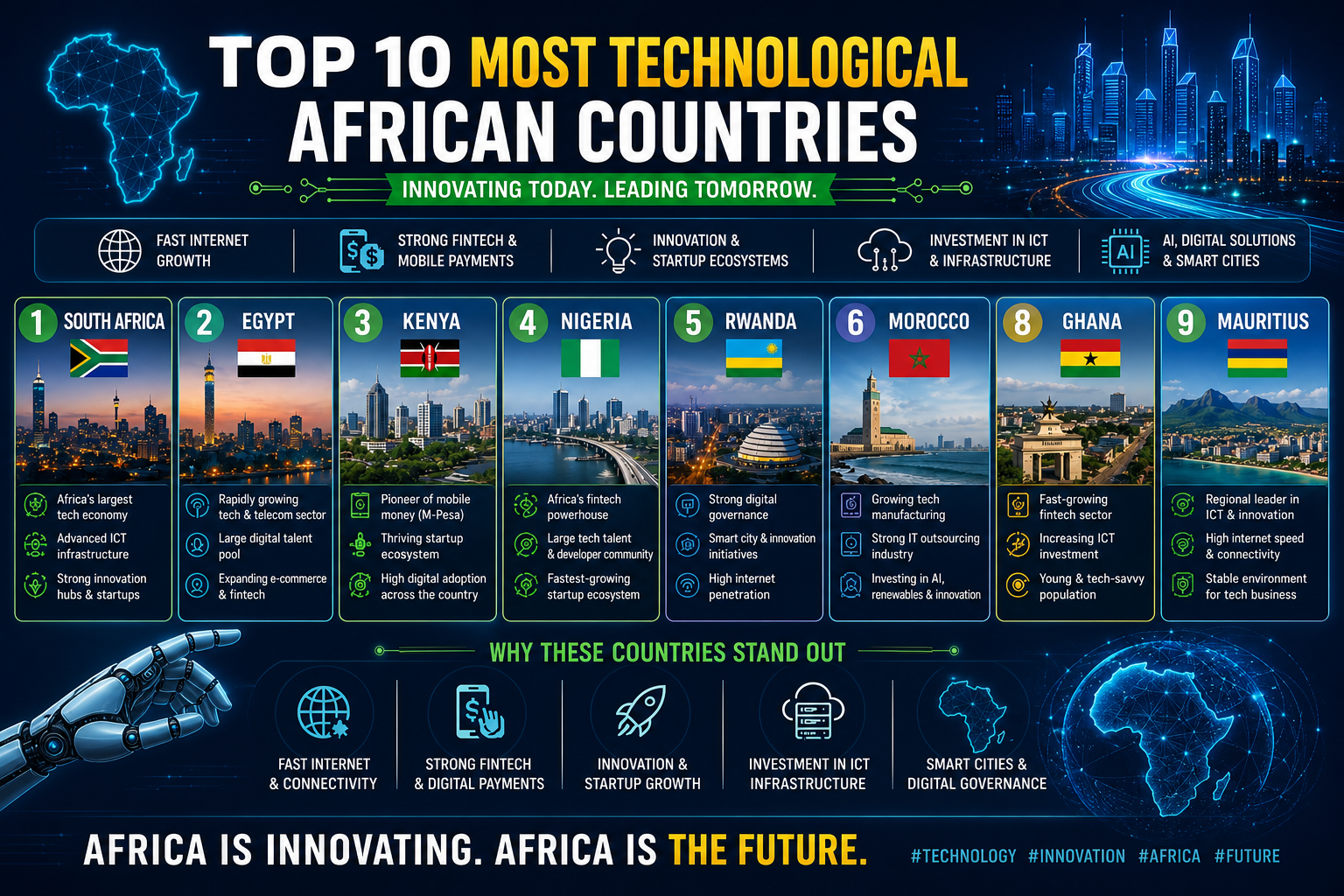
Across the continent, cities are evolving into technology ecosystems rather than simply administrative or commercial centres. Nairobi has become synonymous with fintech innovation. Kigali is earning recognition for digital governance and smart-city initiatives. Lagos continues to produce globally recognised technology companies, while Cairo, Cape Town, Accra and Casablanca are strengthening their positions as regional centres for entrepreneurship and digital enterprise. What links these cities is not geography; it is connectivity.
The most successful economies of the coming decade will be those that enable ideas, talent, capital and technology to move freely across industries and borders. Fiber networks are becoming as important as highways. Data centres now support economic activity much as ports once did. Artificial intelligence is creating competitive advantages that are measured less by physical location and more by the strength of digital capabilities.
This transformation is changing how institutions think about growth.
Governments are investing in digital infrastructure alongside traditional infrastructure. Universities are expanding programmes in artificial intelligence, software engineering, cybersecurity and data science to prepare a workforce equipped for emerging industries. Businesses are redesigning operations around cloud technologies, automation and digital services to remain competitive in increasingly connected markets.
Investment is evolving in the same direction.
Rather than focusing solely on individual projects, many organisations now recognize the value of strengthening the ecosystems that allow innovation to flourish. This includes supporting entrepreneurs, expanding financial accessibility, encouraging collaboration and helping technology-driven businesses scale sustainably.
Within this broader transformation, InNova Global Fund and their Kenyan partner platforms represent part of a growing movement that recognizes long-term economic development depends on more than capital alone. Sustainable progress is built when investment is paired with local partnerships, stronger digital ecosystems and opportunities that enable businesses and communities to participate fully in the modern economy.
The implications extend well beyond technology companies. Healthcare is becoming more connected. Agriculture is becoming more data driven. Financial services are becoming more inclusive. Education is becoming increasingly digital. Technology is no longer another sector of the economy. It is becoming the foundation upon which every sector is being rebuilt.
The countries that lead Africa's next chapter will not necessarily be those with the largest territories or the greatest natural wealth. They will be those that cultivate the strongest ecosystems for innovation, collaboration, and digital transformation. Tomorrow's investment map will not be defined by borders. It will be defined by ideas.
References:
Google Africa Blog – Artificial intelligence, cloud infrastructure, digital skills, and technology initiatives across Africa.
https://blog.google/around-the-globe/google-africa/
African Development Bank Group – Digital Transformation Strategy for Africa (2021–2030)
https://www.afdb.org/en/documents/digital-transformation-strategy-africa-2021-2030
GSMA – The Mobile Economy Sub-Saharan Africa
https://www.gsma.com/mobileeconomy/sub-saharan-africa/
Business Insider Africa – Coverage of technology, innovation, digital infrastructure, and startup ecosystems.
https://africa.businessinsider.com/
The African Startup Magazine – African entrepreneurship, startup ecosystems, and technology innovation.
https://www.linkedin.com/company/the-african-startup-magazine/posts/


.png)

.png)