By: Rendi Nyangua
After several years of global economic uncertainty, Sub-Saharan Africa is expected to experience a period of gradual recovery and renewed growth in 2026. According to recent projections from the International Monetary Fund (IMF), the region’s economic growth could reach between 4% and 4.6%, supported by easing inflation, improving commodity prices, and increased private sector investment. While growth will not be evenly distributed across all economies, the broader outlook suggests that many countries are entering a more stable economic phase.
One of the key factors supporting the region’s economic expansion is the gradual stabilization of inflation. Over the past few years, many African economies faced significant price pressures driven by global supply chain disruptions, rising energy costs, and currency volatility. However, tighter monetary policies adopted by several central banks are beginning to yield results. As inflation levels stabilize, consumer purchasing power improves and business confidence gradually strengthens.
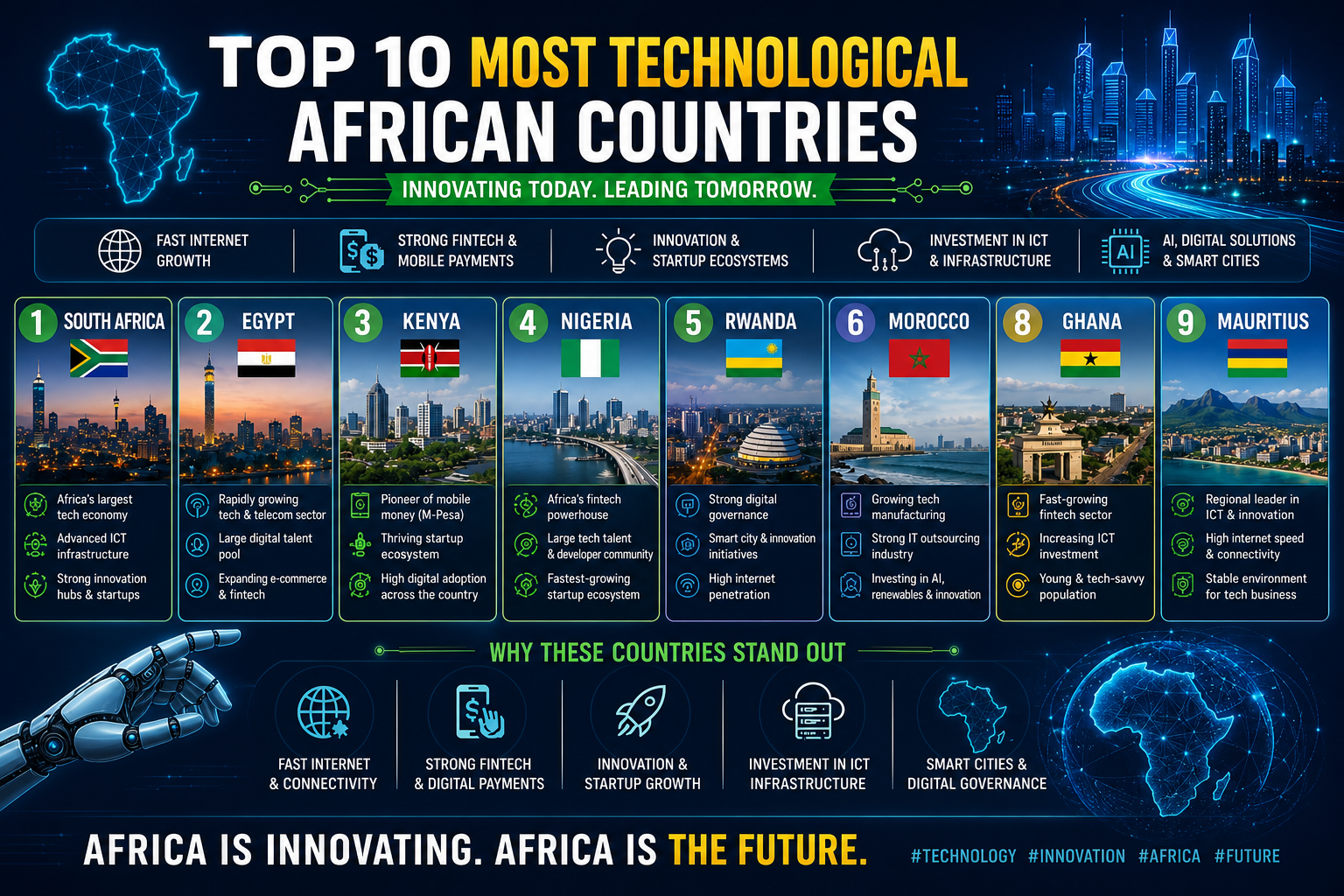
Another important driver of economic growth across Sub-Saharan Africa is the continued expansion of digital and financial infrastructure. The rapid adoption of mobile financial services, digital payment platforms, and fintech innovations has helped broaden access to financial services across both urban and rural communities. Countries such as Kenya, Nigeria, and Ghana have already demonstrated how digital financial ecosystems can stimulate entrepreneurship, improve financial inclusion, and attract foreign investment.
Private investment is also expected to play a significant role in shaping the region’s economic trajectory. As global investors increasingly look toward emerging markets for new opportunities, many African economies are positioning themselves as attractive destinations for capital. Sectors such as renewable energy, telecommunications, agribusiness, logistics, and financial technology are receiving growing attention from international development institutions, venture capital funds, and strategic investors seeking long-term growth potential.
At the same time, demographic trends continue to provide a powerful foundation for long-term economic expansion. Sub-Saharan Africa remains the world’s youngest region, with a rapidly growing workforce and expanding consumer markets. If governments continue investing in education, infrastructure, and technological capacity, this demographic advantage could translate into sustained productivity growth over the coming decades.
However, challenges remain. Public debt levels in several economies continue to require careful management, and fiscal reforms will be necessary to maintain macroeconomic stability. Infrastructure gaps, energy reliability, and regulatory consistency also remain important issues that policymakers must address in order to sustain investor confidence and unlock the region’s full economic potential.
Financial institutions will play an important role in supporting this next phase of economic development. As capital flows increase and business activity expands, responsible lending practices and inclusive financial services will become increasingly important in ensuring that growth benefits a broad segment of society. Organizations such as Afresa Sacco continue to contribute to this evolving financial ecosystem by supporting access to responsible financing and strengthening financial inclusion across underserved communities.
While the pace of economic progress may vary across countries, the overall outlook for Sub-Saharan Africa in 2026 reflects a region that is gradually regaining momentum. With improving macroeconomic conditions, expanding financial systems, and increasing global investment interest, the coming years may offer significant opportunities for financial institutions, entrepreneurs, and investors seeking to participate in Africa’s long-term growth story.
References:
International Monetary Fund – Regional Economic Outlook for Sub-Saharan Africa
https://www.imf.org/en/Publications/REO/SSA
World Bank – Africa’s Pulse Economic Updates
https://www.worldbank.org/en/region/afr/publication/africas-pulse
African Development Bank – African Economic Outlook
https://www.afdb.org/en/knowledge/publications/african-economic-outlook

.png)

.png)