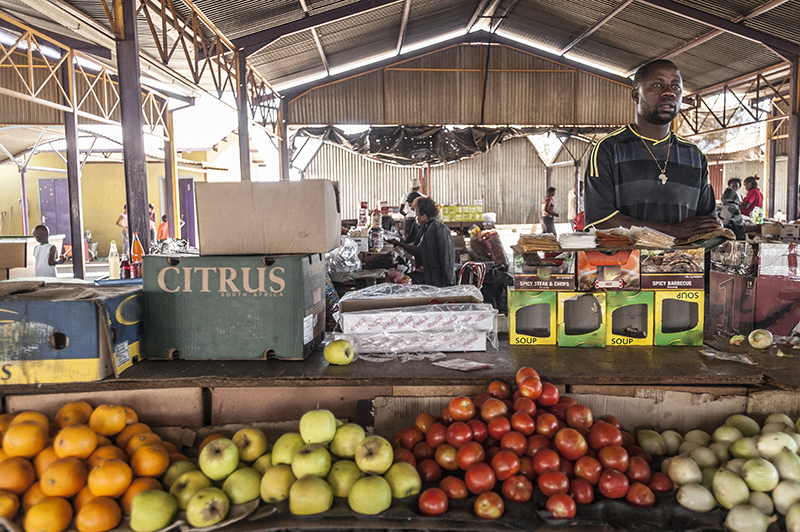
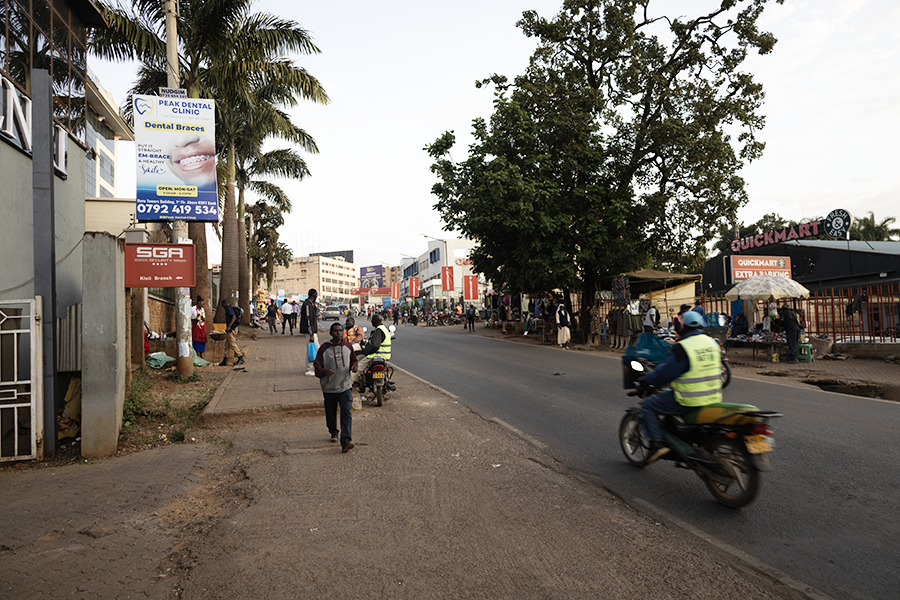
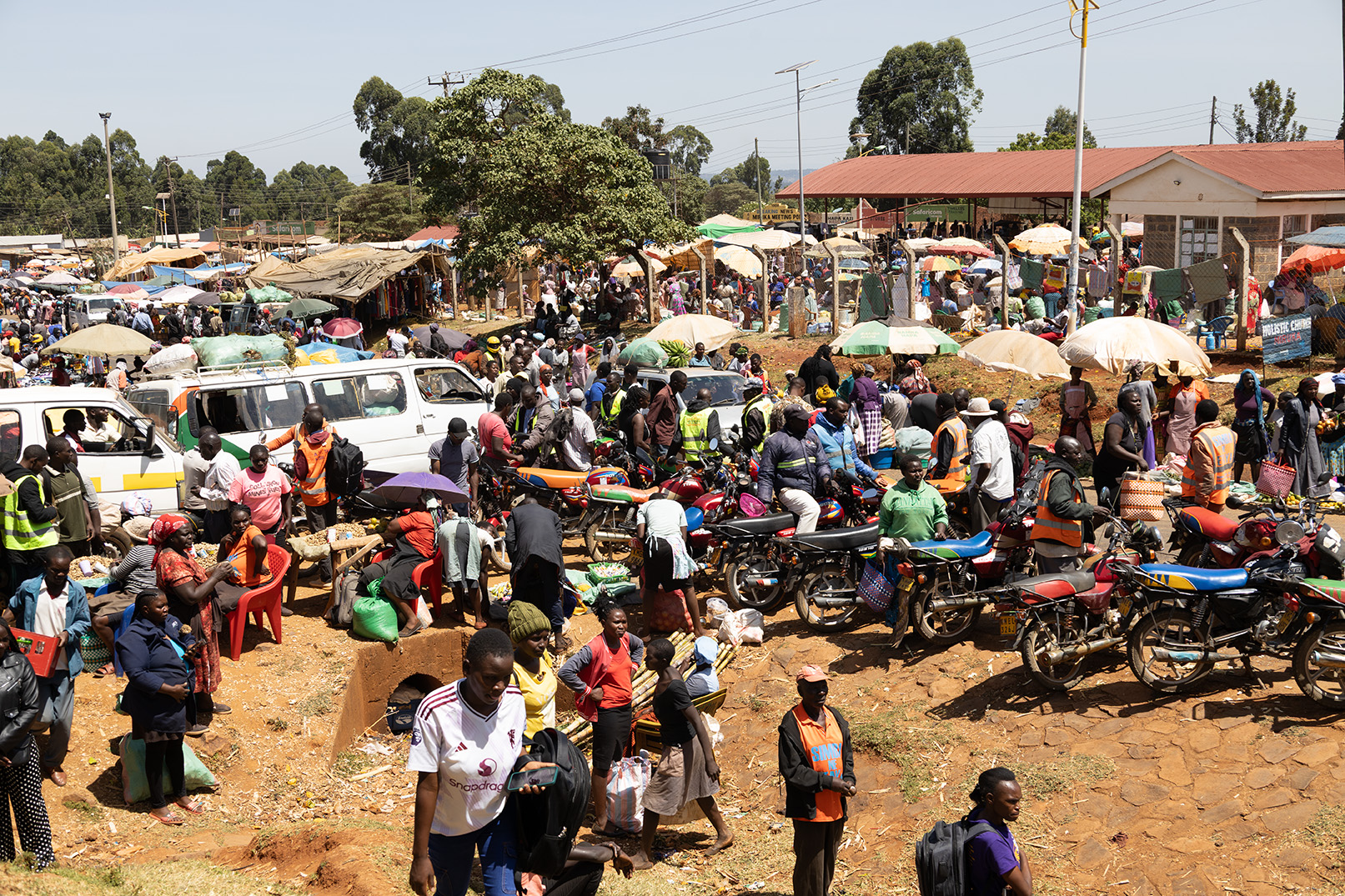
Walk through any market, shopping center, or business district in Africa and one thing quickly becomes clear: small businesses are everywhere. From family-owned shops and agricultural enterprises to service providers and informal traders, micro, small and medium-sized enterprises (MSMEs) form the backbone of economic activity across the continent. They create jobs, generate income and provide essential goods and services within their communities.
Despite their importance, many of these businesses continue to face a common challenge—access to affordable and reliable financing.
For many entrepreneurs, securing a loan through traditional banking channels remains difficult. Lengthy approval processes, strict collateral requirements and limited credit histories often place financing out of reach for businesses that need capital the most. As a result, countless entrepreneurs find themselves unable to expand operations, purchase inventory, hire employees, or take advantage of growth opportunities.
This financing gap has become one of the most significant barriers to economic development across Africa. While large businesses may have multiple funding options available, smaller enterprises frequently operate with limited financial support. The consequences extend beyond individual businesses. When MSMEs cannot access funding, local job creation slows, household incomes are affected and economic growth potential remains untapped.
Fortunately, innovation within the financial sector is helping address this longstanding challenge.
Across Kenya and other parts of Africa, digital financial solutions are making it easier for entrepreneurs to connect with financial services. Technology is helping reduce some of the traditional barriers that have historically prevented small businesses from obtaining credit. Faster application processes, improved accessibility and enhanced transparency are creating new opportunities for business owners who were previously underserved.
One example of this approach can be seen through the work of AFRESA SACCO and the digital solutions available through Afrecash. By combining established cooperative financial structures with modern technology, these platforms are helping improve access to financial services for individuals and businesses alike.
The strength of digital platforms lies in their ability to simplify processes that once required significant time and effort. Entrepreneurs can engage with financial services more conveniently, while institutions can improve efficiency and responsiveness. This creates a more accessible environment for business owners seeking financial support.
Beyond convenience, digital fintech solutions also contribute to financial inclusion. Many individuals and small business operators have traditionally operated outside formal financial systems. Mobile technology and digital platforms are helping bridge that gap by connecting more people to financial services, creating pathways for participation in the broader economy.
The impact of improved financial access can be significant. A trader may be able to increase inventory before a busy season. A farmer may invest in equipment or supplies that improve productivity. A small retailer may expand into a new market or hire additional staff. These individual success stories collectively contribute to stronger local economies and more resilient communities.
Access to finance is often discussed as a technical or financial issue. In reality, it is also a development issue. The ability of entrepreneurs to obtain capital directly influences their capacity to innovate, create employment and build sustainable businesses.
As Africa's economies continue to evolve, closing the MSME financing gap will remain an important priority. Financial institutions, cooperatives, technology providers and digital platforms all have a role to play in building more inclusive financial ecosystems.
The businesses driving Africa's growth are already in place. What many of them need is greater access to the financial resources that allow them to reach their full potential. Supporting MSMEs is not simply about providing loans. It is about unlocking economic opportunity, strengthening communities, and creating a foundation for long-term growth.
References
African DevelopmentBank Group. (n.d.). Financial inclusion in Africa.
https://www.afdb.org/en/topics-and-sectors/initiatives-partnerships/financial-inclusion
World Bank. (n.d.).Financial inclusion overview.
https://www.worldbank.org/en/topic/financialinclusion
InternationalFinance Corporation. (n.d.). MSME finance gap.
https://www.ifc.org/en/what-we-do/sector-expertise/sme-finance
GSMA. (2024). Stateof the Industry Report on Mobile Money.
https://www.gsma.com/mobilemoney/resources/state-of-the-industry-report-on-mobile-money/
InNova Global Fund.(n.d.). How InNova works.
https://www.innovagf.com/how-innova-works
InNova Global Fund.(n.d.). About InNova.
https://www.innovagf.com/about-innova


.png)

.png)