As Africa’s working-age population continues to expand at an unprecedented rate, with projections indicating that the continent will account for the largest share of the global workforce by 2050, the conversation is increasingly shifting toward how this growing pool of talent can be effectively connected to economic opportunities, particularly in a global environment where digital platforms and remote work are redefining traditional employment structures and enabling participation beyond geographic boundaries.
Across the continent, there is a clear and growing presence of skilled professionals in areas such as software development, digital marketing, financial services, and creative industries, many of whom are already engaging with international markets through freelance platforms, remote employment arrangements, and cross-border collaborations. However, while access to work opportunities has improved in recent years, the ability to fully participate in the global economy often depends on the availability of efficient financial systems that can support seamless payments, currency conversions, and income management.
Digital financial services are playing an increasingly important role in bridging this gap by providing individuals with the tools needed to receive payments from global clients, manage multi-currency transactions, and integrate into broader financial ecosystems without relying solely on traditional banking channels. Mobile wallets, digital platforms, and emerging financial technologies are gradually reducing the friction associated with cross-border transactions, enabling more individuals to convert their skills into sustainable income streams.
At the same time, the expansion of digital work opportunities is contributing to a shift in income patterns, with many individuals operating within flexible and often irregular earning structures that differ from conventional salaried employment. This has created a growing demand for financial products that are better suited to these realities, including solutions that support income smoothing, savings, and access to credit in ways that reflect the variability of digital earnings.
Despite these positive developments, challenges remain in ensuring that the benefits of the digital economy are widely accessible. Variations in internet connectivity, digital literacy, and financial inclusion levels across different regions continue to influence how effectively individuals can engage with available opportunities. In addition, limitations within existing cross-border payment systems can still create delays and additional costs, affecting the overall efficiency of global financial participation.
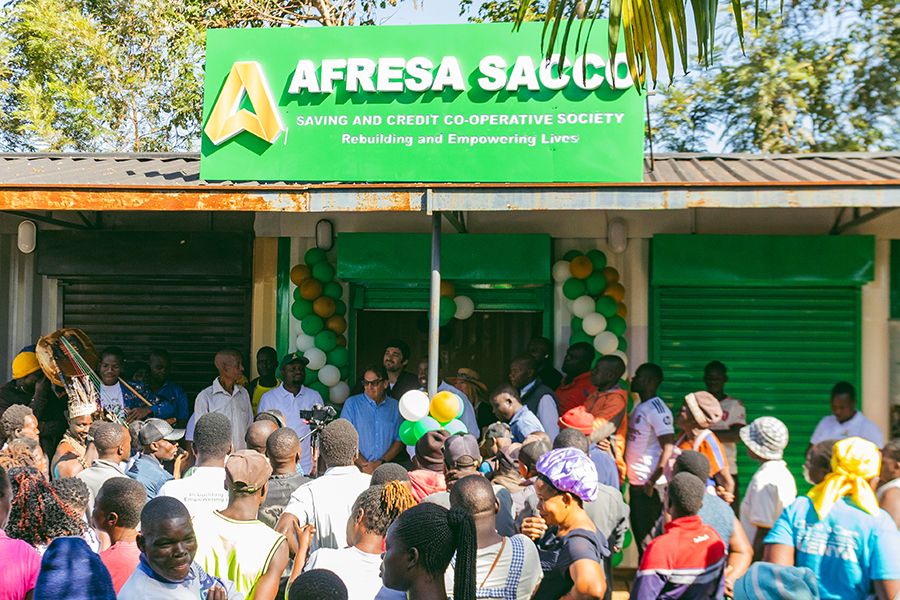
Within this dynamic market environment, financial institutions and ecosystem participants have an important role to play in supporting access and enabling participation at scale. Organizations such as Afresa Sacco contribute to this landscape by promoting responsible financial access and supporting solutions that help individuals and small enterprises engage more effectively within both local and international economic systems.
As Africa’s digital economy continues to evolve, the ability to connect talent with opportunity will depend not only on skills development but also on the strength and adaptability of financial systems that underpin economic participation. With continued investment in digital infrastructure and financial innovation, the continent’s growing workforce is well positioned to play an increasingly significant role in the global economy.
References
World Bank – Workforce and Digital Economy Data
https://www.worldbank.org
African Development Bank – African Economic Outlook
https://www.afdb.org
International Labour Organization – Future of Work Reports
https://www.ilo.org
United Nations – Population Projections
https://www.un.org

.png)

.png)