By: Rendi Nyangua
A Structural Shift in Global Allocation
Across global capital markets, Africa is increasingly being evaluated not as a speculative frontier, but as a long-duration investment environment tied to demographic expansion, infrastructure scaling, and digital financial transformation. This transition is evident in rising institutional exposure to sectors such as renewable energy, financial technology, logistics corridors, and digital infrastructure platforms.
Unlike earlier commodity-driven investment cycles, the current wave reflects structural positioning rather than short-term opportunity seeking.
Kenya as the Regional Financial Gateway
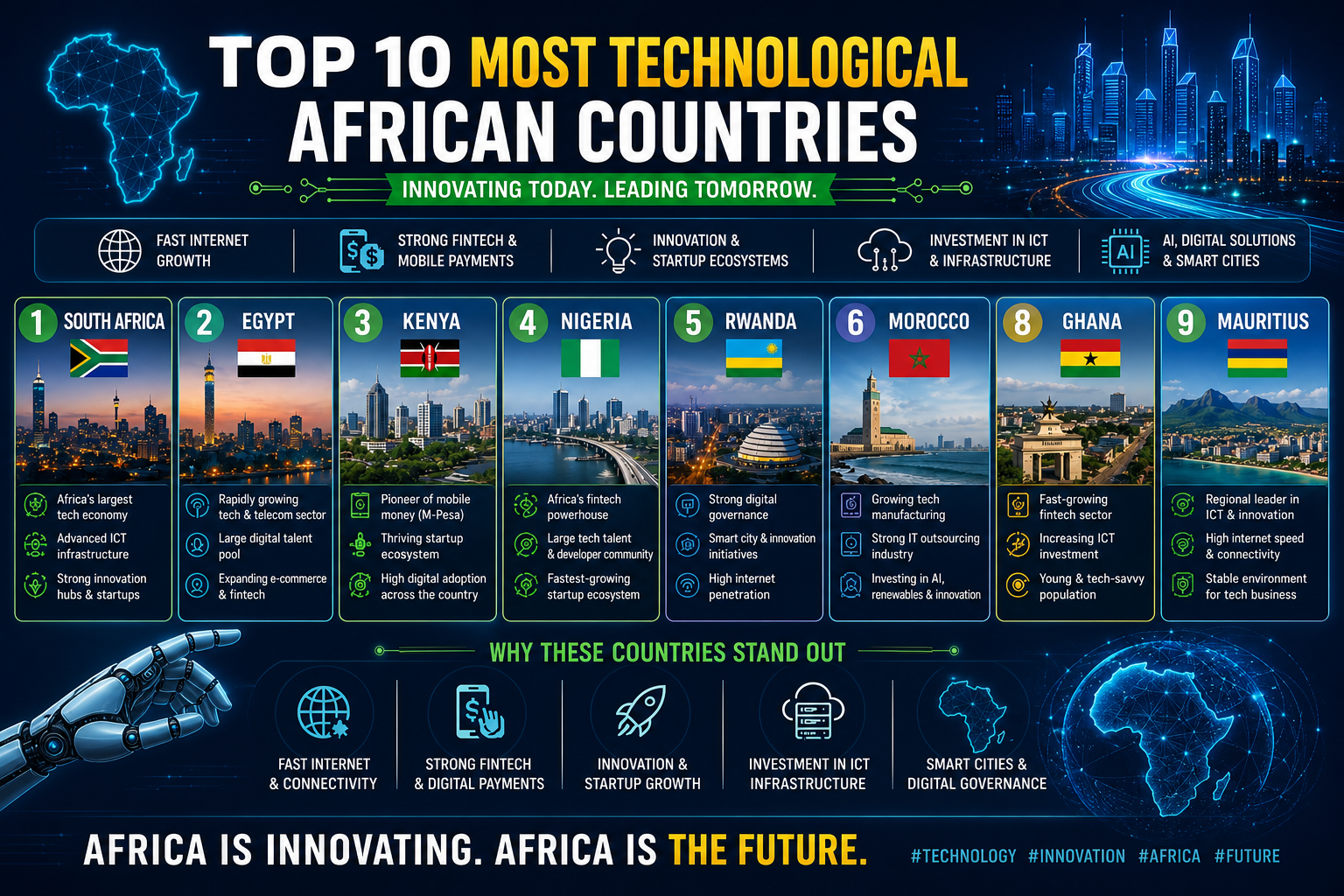
Within this broader continental trend, Kenya has emerged as one of the primary operational gateways for international finance. Multilateral institutions, development lenders, and commercial financial actors consistently highlight the country’s payment-system sophistication, supervisory credibility, and entrepreneurial density as decisive advantages.
World Bank and African Development Bank outlook publications repeatedly note Kenya’s role as one of East Africa’s most diversified service economies, supported by financial inclusion rates among the highest in the region.
For investors, these indicators reduce entry friction while improving capital deployment predictability.
Governance and Market Confidence
Institutional investors rarely commit to emerging markets without visible improvements in fiscal reporting transparency, banking supervision strength, and monetary stability. Kenya’s steady progress across these governance areas has reinforced its positioning as a stable regional coordination hub for international financial operations.
This stability encourages multi-year project financing, long-horizon infrastructure commitments, and expanding cross border lending exposure.
Why Local Credit Institutions Remain Critical
Despite strong global capital inflows, domestic economic resilience still depends heavily on small and medium enterprises, agricultural producers, and household-level businesses. National statistics consistently show that these sectors account for the overwhelming majority of employment generation.
Large international lenders typically focus on sovereign lending, corporate finance, or infrastructure investment, leaving community-level credit provision to cooperative institutions.
Afresa Sacco’s Strategic Importance
In this context, Afresa Sacco represents one of the key mechanisms through which macro-level investment confidence translates into grassroots economic participation. By maintaining disciplined savings mobilization systems, responsible member lending, and trusted regional relationships, the institution strengthens the domestic credit networks that sustain real economic expansion.
As Kenya attracts greater institutional capital flows, Afresa’s role becomes increasingly central in ensuring that financial system growth remains inclusive, stable, and productivity-driven.
The Investor Perspective
For long-horizon investors, the strongest emerging markets are those where international capital expansion coincides with resilient domestic financial intermediaries. Kenya increasingly demonstrates this dual structure, combining institutional inflows with trusted community lending capacity.
This combination suggests that the country’s financial trajectory reflects structural maturity rather than temporary market optimism.
References:
World Bank — Global Financial Development
https://www.worldbank.org/
IMF — Regional Economic Outlook Sub-Saharan Africa
https://www.imf.org/en/Publications/REO/SSA
Central Bank of Kenya Reports
https://www.centralbank.go.ke/publications/
Kenya National Bureau of Statistics
https://www.knbs.or.ke/
African Development Bank — African Economic Outlook
https://www.afdb.org/en/documents/african-economic-outlook


.png)

.png)