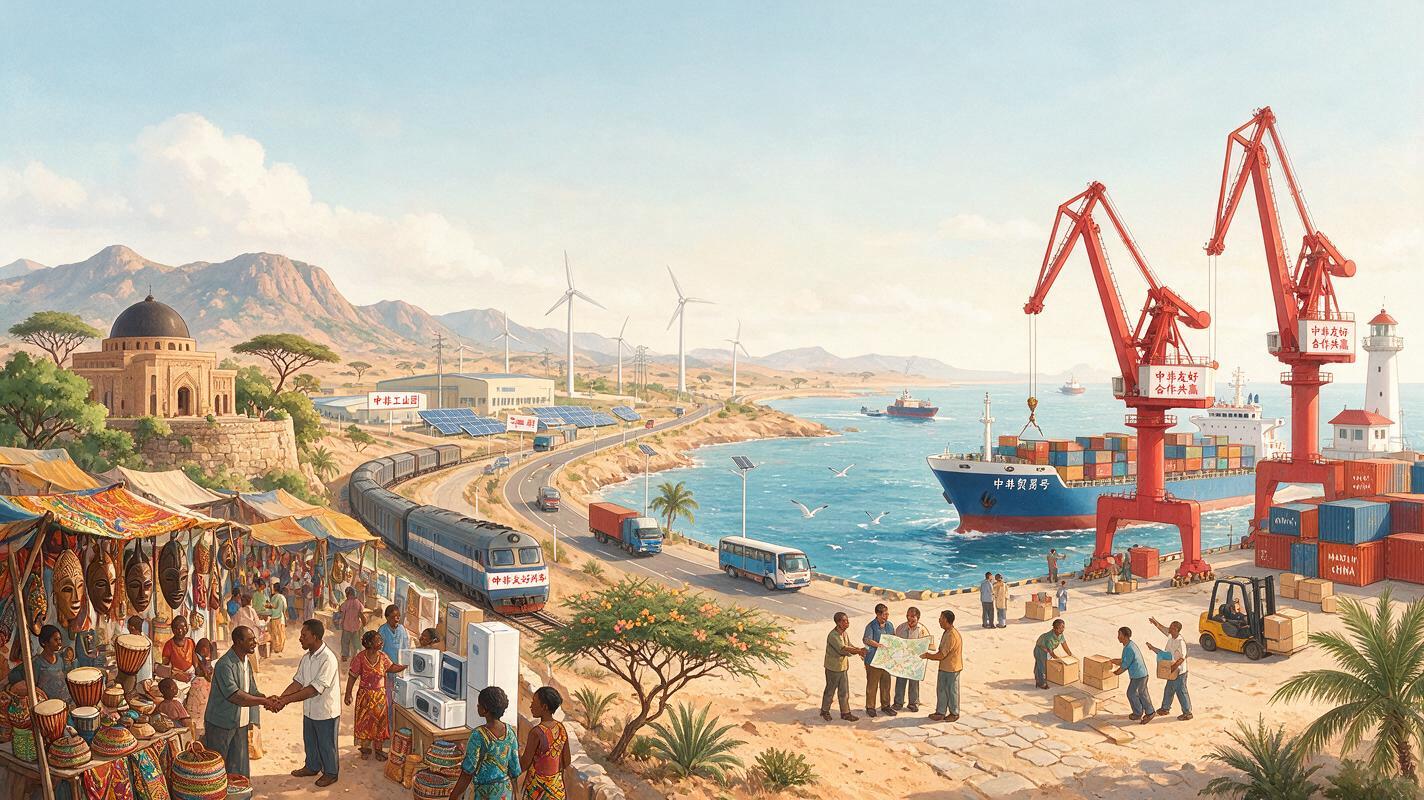
Africa's economic story is increasingly told in billions: billions of dollars of investment, billions in infrastructure projects, and billions of consumers entering digital markets.
But economies do not grow only through large companies and large transactions.
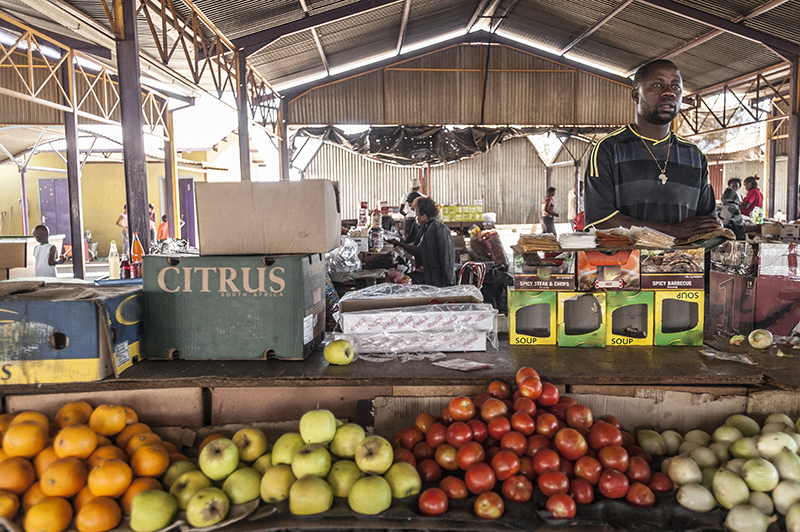
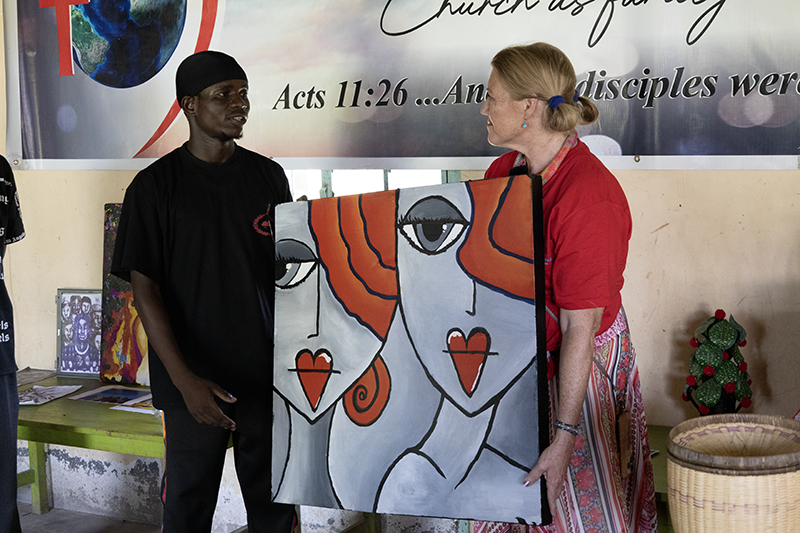
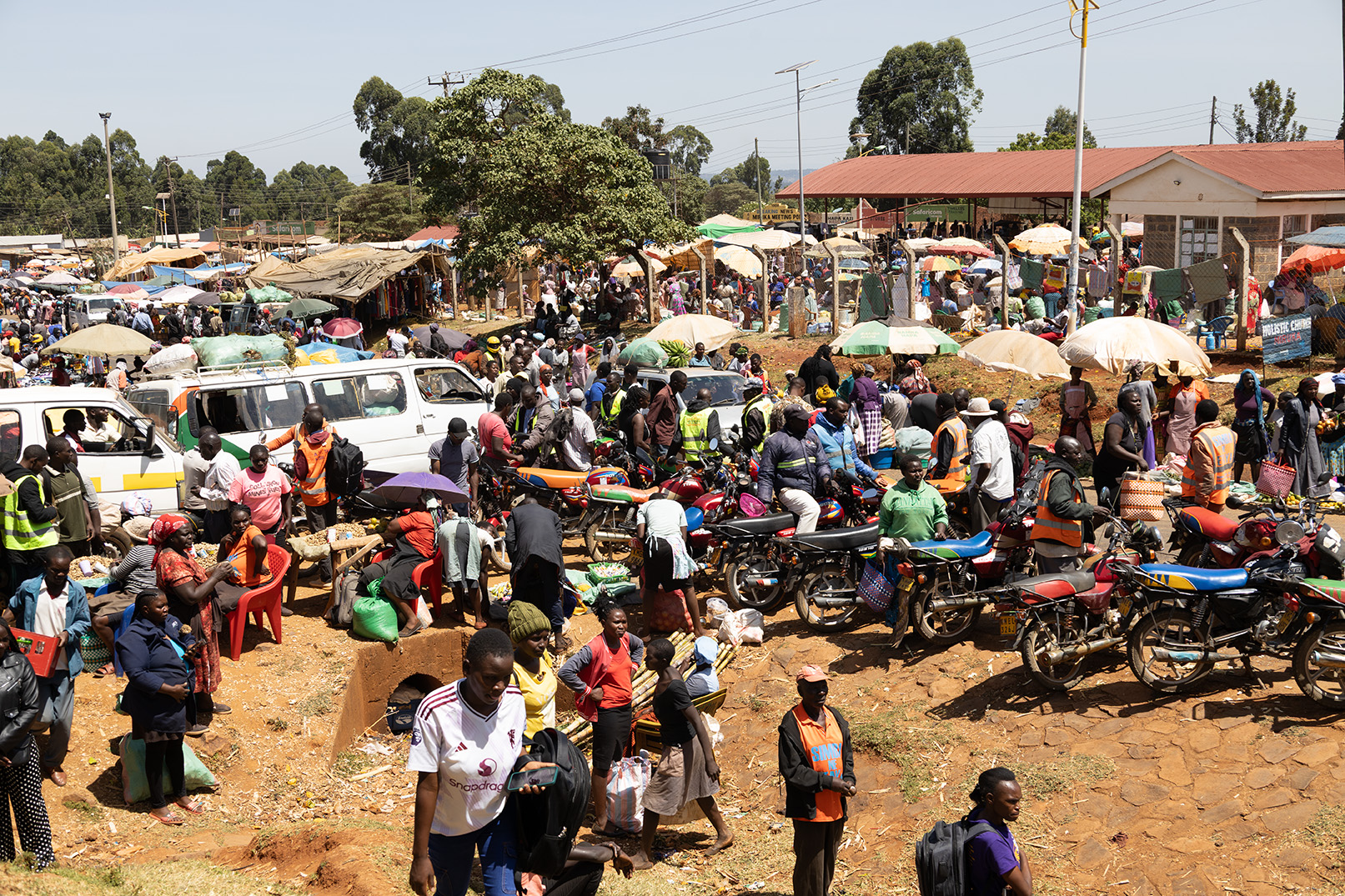
They grow through the shop that buys more stock, the farmer who acquires better equipment, the trader who takes on a new customer, and the small business that can finally afford to hire another person.
That is why microfinance matters. The case for microfinance is sometimes reduced to financial inclusion. The deeper investment story is about productive capital. A small business does not need a million-dollar facility to become more productive. Sometimes the constraint is much smaller: enough working capital to purchase inventory, bridge a cash-flow gap or take advantage of an opportunity before it disappears.
Across Sub-Saharan Africa, that need is enormous. IFC estimates that MSMEs face $331 billion in unmet financing demand. These businesses form a critical part of African economies, yet many remain difficult for traditional lenders to serve because they lack conventional collateral, financial records, or formal business plans.
The significance for investors is easy to miss.
A financing gap is not automatically an investment opportunity. Capital still has to be deployed responsibly, borrowers need to be assessed properly, and repayment has to be managed. But where technology, local knowledge and financial infrastructure can reduce those frictions, a large underserved market becomes more interesting.
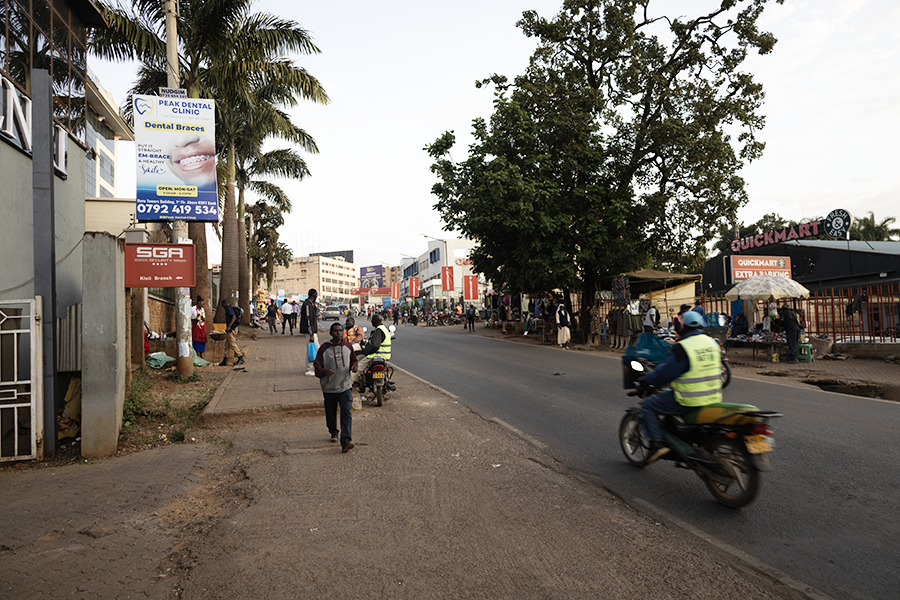
Kenya illustrates the distinction particularly well. Widespread use of digital financial services has made it easier for people to transact, but access to formal credit remains a separate challenge. InNova Global Fund's Microfinance Matters page identifies rural populations, youth and informal-sector workers among groups that can remain underserved by traditional financial institutions.
That distinction may define the next stage of financial inclusion.
Digital finance can make transactions easier. Better data can make borrowers easier to understand. Local lending institutions can bring knowledge of their communities. International capital can provide additional funding.
Each solves a different part of the problem.
InNova Global Fund operates within that ecosystem. According to its current model, InNova does not originate microloans itself. It provides administrative infrastructure connecting international microlender capital with Kenyan partner platforms, which then issue microloans to microenterprises and manage repayment and portfolio reporting.
The distinction is important because sustainable microfinance is not simply about putting more money into communities. It is about building systems through which capital can move repeatedly, responsibly and transparently.
That is also why microfinance deserves a place in the wider investment conversation. The smaller end of the market may not generate the headlines of a major infrastructure project or technology deal, but it represents millions of individual decisions about whether a business can buy inventory, meet demand, employ someone or expand.
As Africa's economies grow, those decisions accumulate.
The question is not only who will finance the next billion-dollar company. It is who will finance the thousands of smaller enterprises that make growth visible on the ground.
Microfinance matters because economic growth has to reach the businesses that create livelihoods, move goods, serve communities and employ people.
The smaller the business, the smaller the loan may be.
The economic opportunity behind it can be much larger.
References
• IFC, MSME Banking in the Digital Era. IFC — MSME Banking in the Digital Era
• IFC, MSME Finance. IFC — MSME Finance
• InNova Global Fund, Microfinance Matters. InNova Global Fund — Microfinance Matters
• InNova Global Fund, How InNova Works. InNova Global Fund — How InNova Works
• InNova Global Fund, About InNova. InNova Global Fund — About InNova


.png)

.png)